⚡ Laser Hair Removal
Laser and IPL hair removal devices use concentrated light to target pigment in hair follicles and reduce unwanted hair over a course of treatments.
1.How It Works
Technology, configuration and operating procedures vary by device. Review the manufacturer specifications, intended use and professional guidance before treatment.
2.Types of Devices
- Home-use devices for personal routines
- Professional systems for clinics, salons and spas
- Multi-function platforms with interchangeable handpieces
3.What to Look For
- Technology, output and treatment area
- Safety features, certifications and operator training
- Maintenance, service support and included accessories
Safety first: Verify certifications, operating instructions and user suitability before treatment. Professional devices should be operated by trained personnel.
4.Devices in This Category
Explore 140 devices in Laser Hair Removal. Specifications are compiled from source listings and may vary by configuration.
FDA: unverified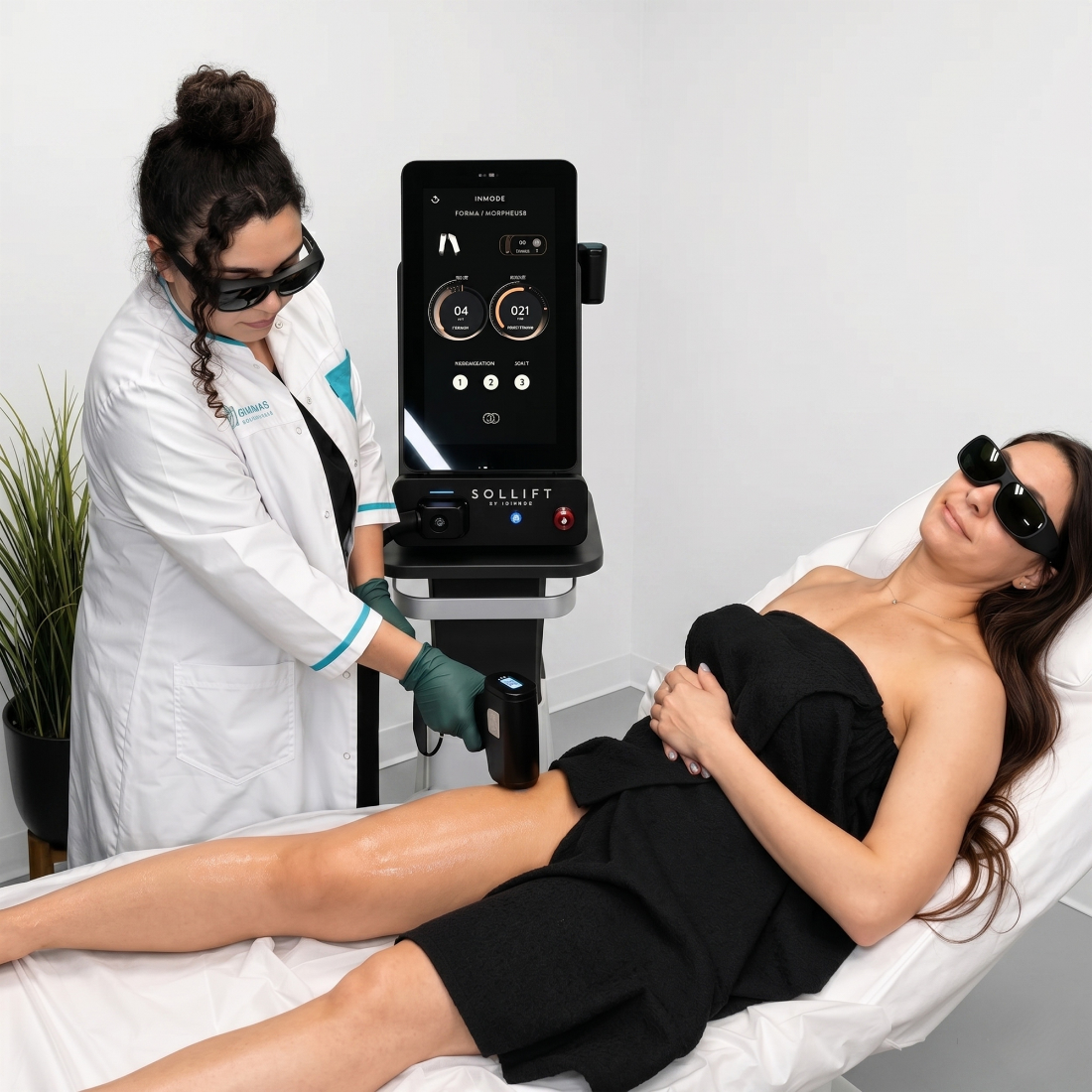
Laser Hair Removal
Veloce 808 Diode 3.0 Laser Hair Removal
FDA: unverified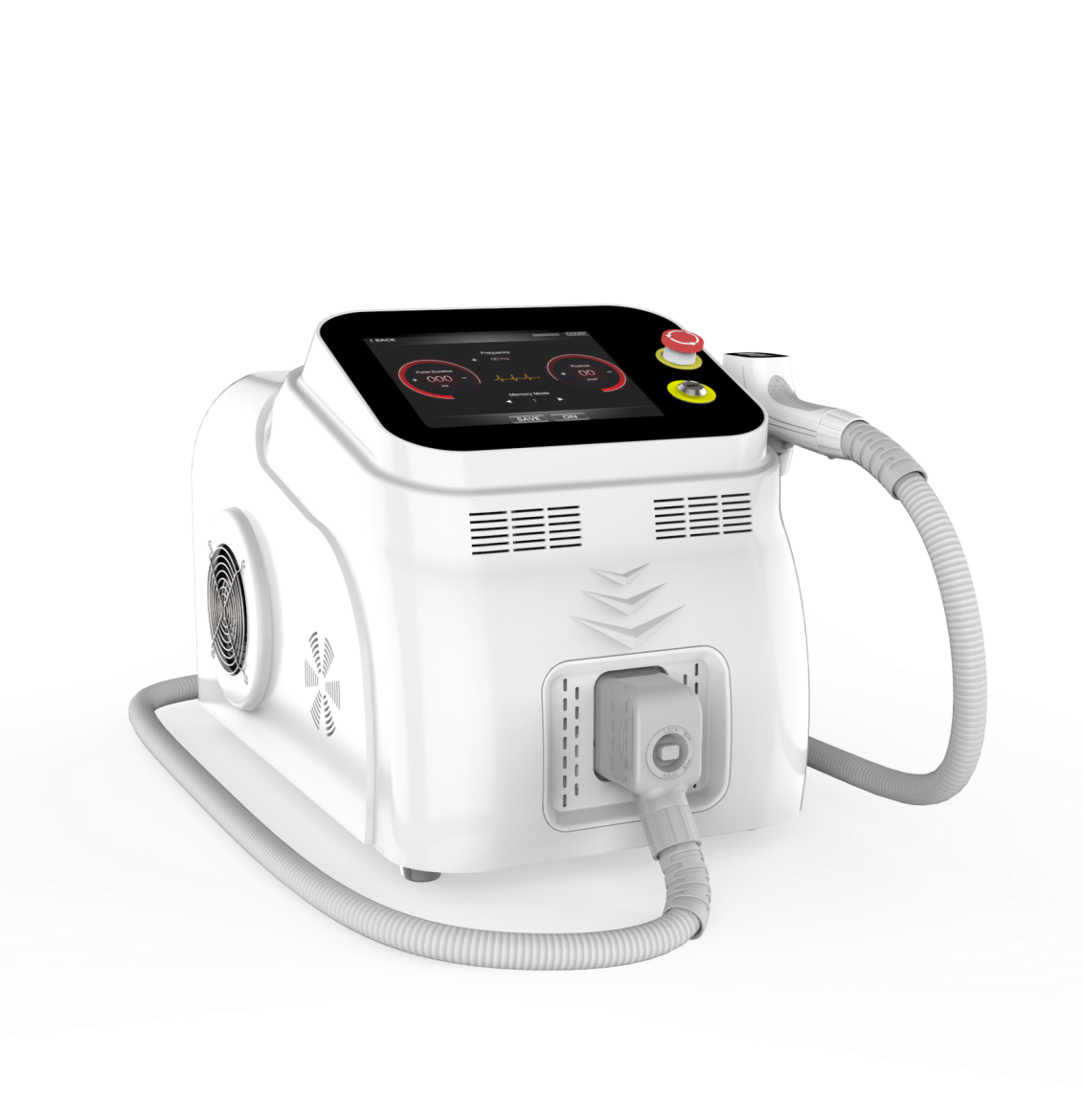
Laser Hair Removal
Clearance Veloce Diode 2.0 Laser Hair Removal
FDA: unverified
Laser Hair Removal
Russian laser hair removal machine for sale
FDA: unverified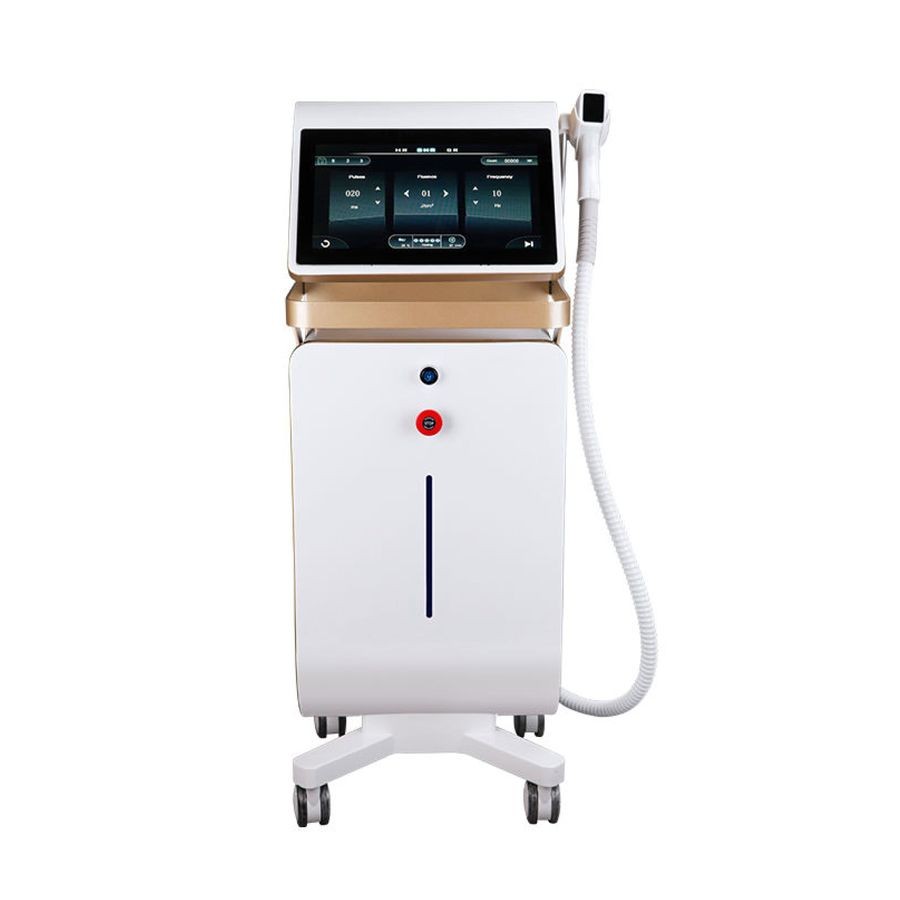
Laser Hair Removal
FioraBeam 4-Wavelength Diode Laser Hair Removal System
FDA: unverified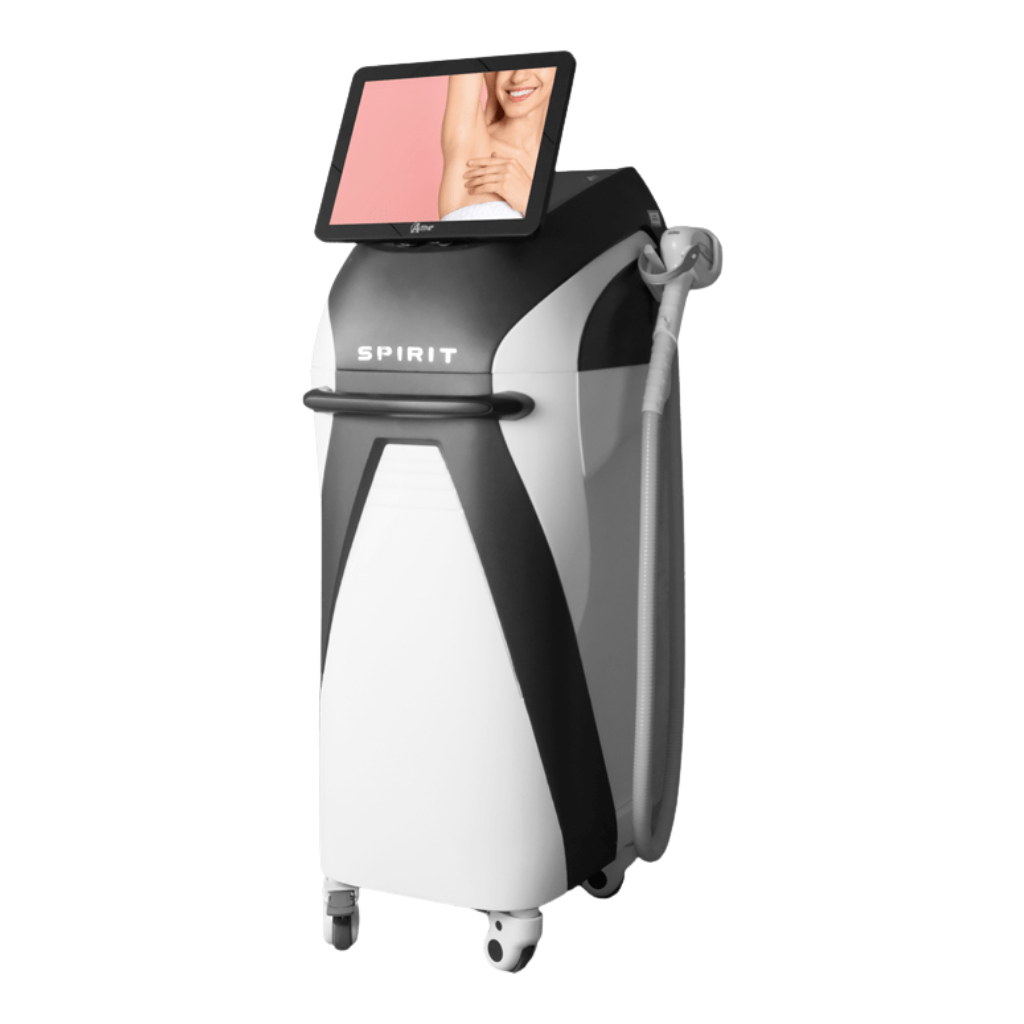
Laser Hair Removal
Spirit Laser Hair Removal System
FDA: unverified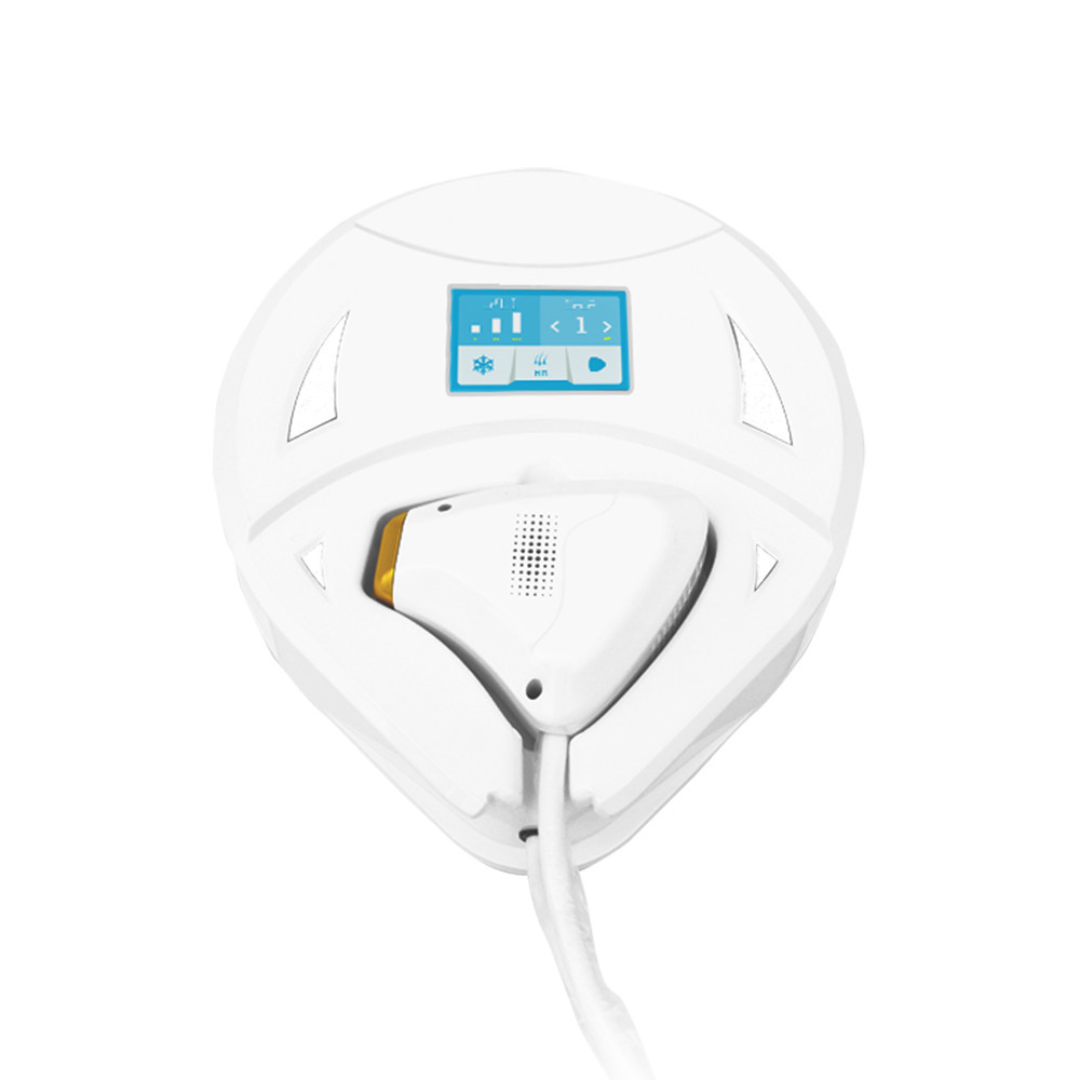
Laser Hair Removal
Elite Smooth™ Compact 808nm Diode Laser Hair Removal Machine
FDA: unverified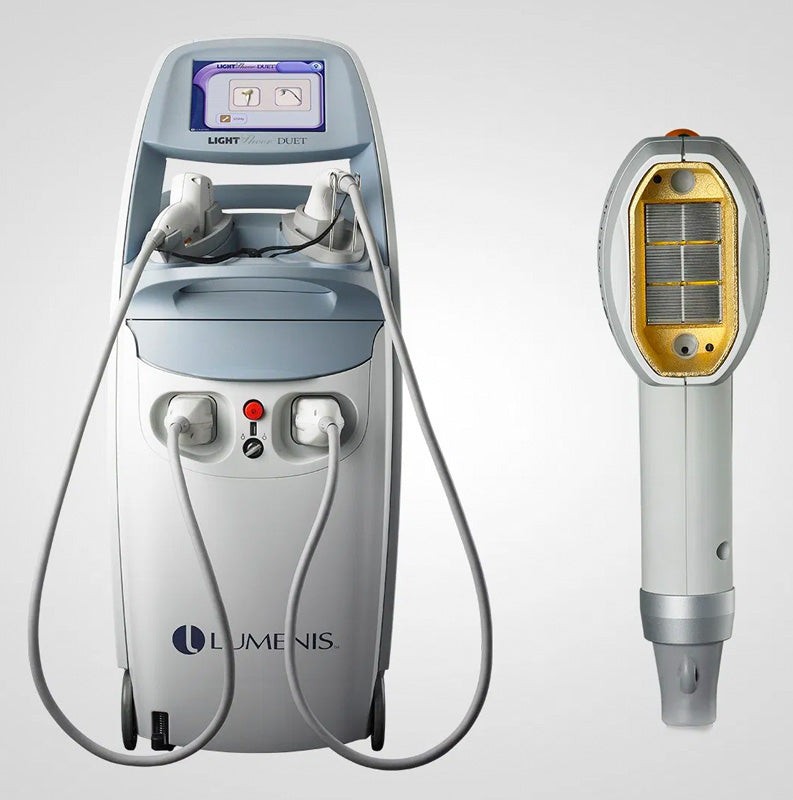
Laser Hair Removal
LUMENIS DUET LASER MACHINE / DIODE LASER / HAIR REMOVAL
FDA: unverified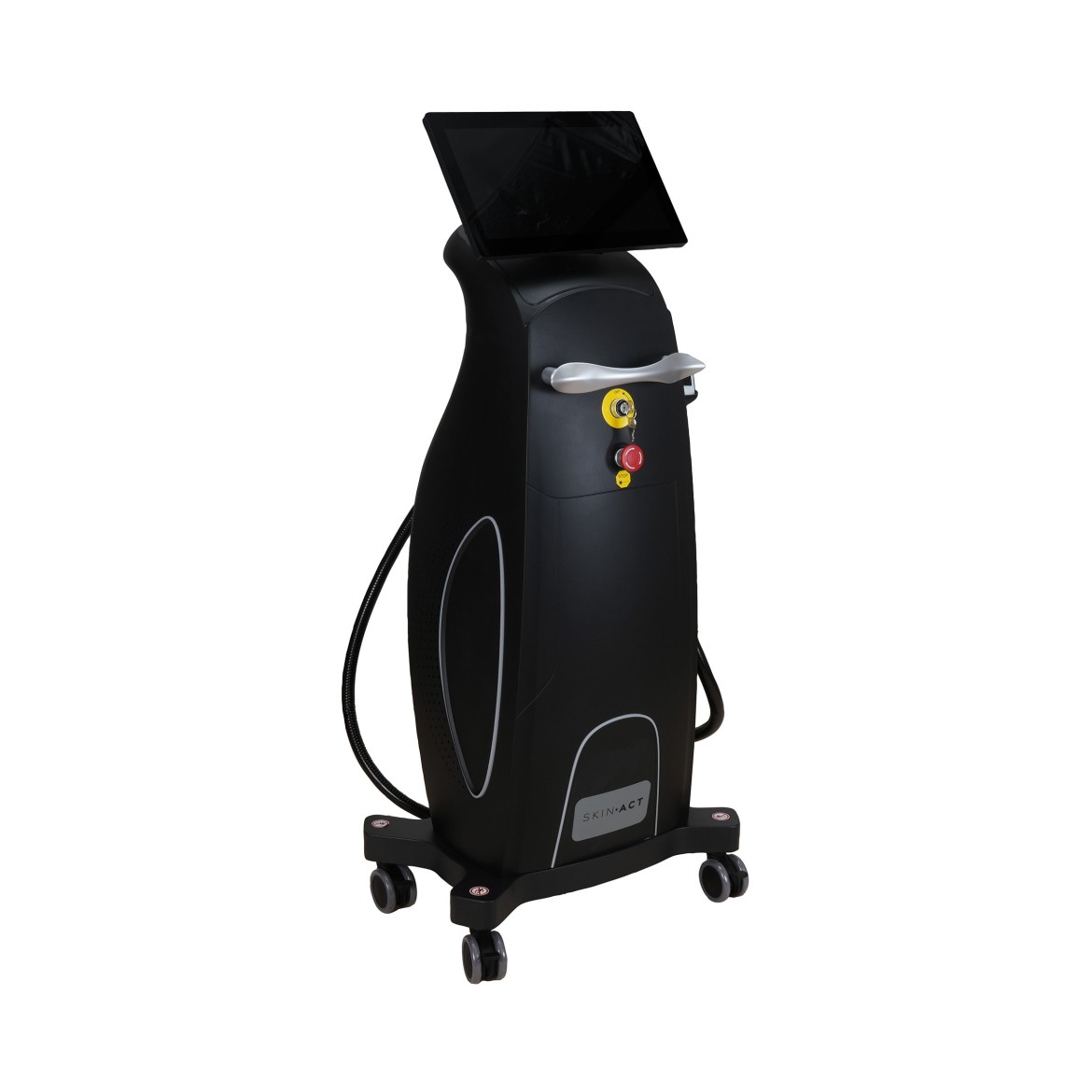
Laser Hair Removal
SkinAct Advance Diode Laser Hair Removal System
FDA: unverified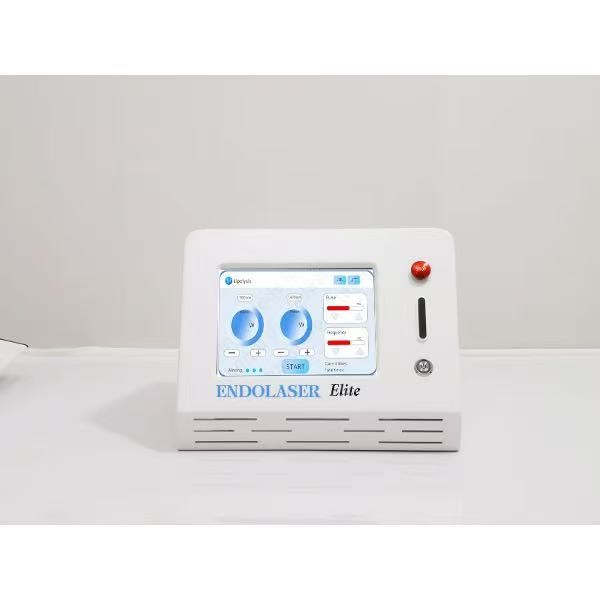
Laser Hair Removal
Endolaser 1470nm & 980nm Diode Laser Face Lifting Machine
FDA: unverified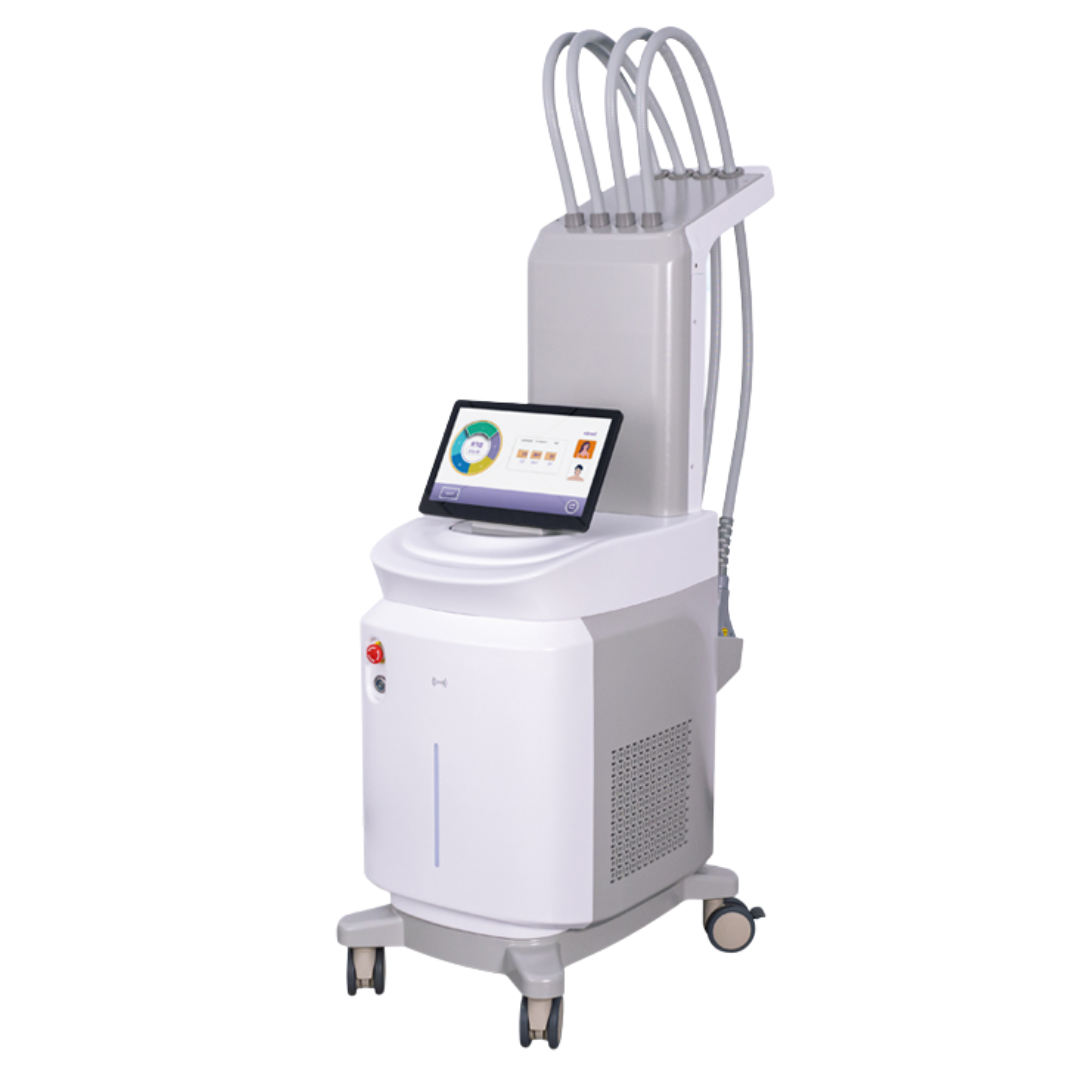
Laser Hair Removal
SculptAssure 1060nm Diode Laser Weight Loss Machine
FDA: cleared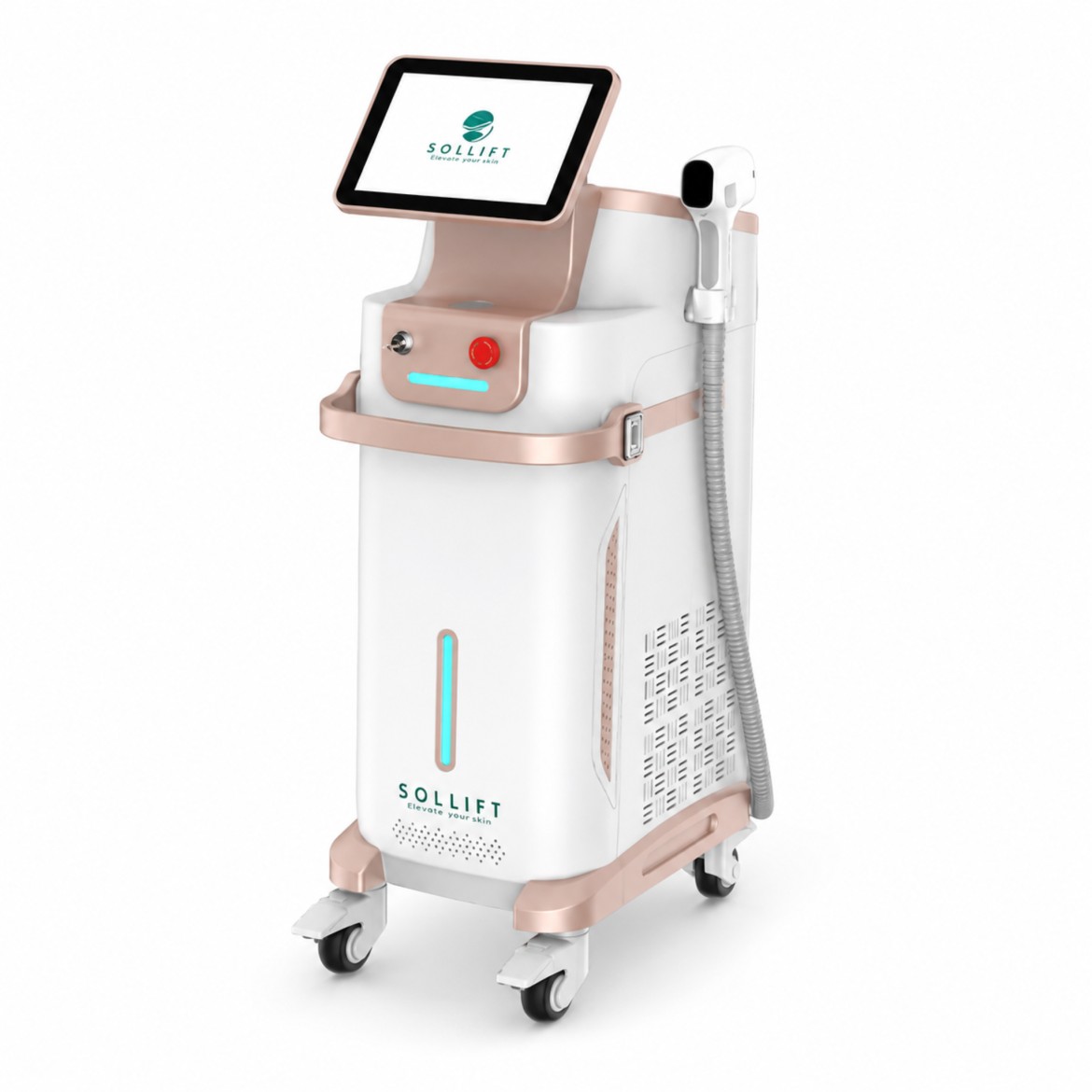
Laser Hair Removal
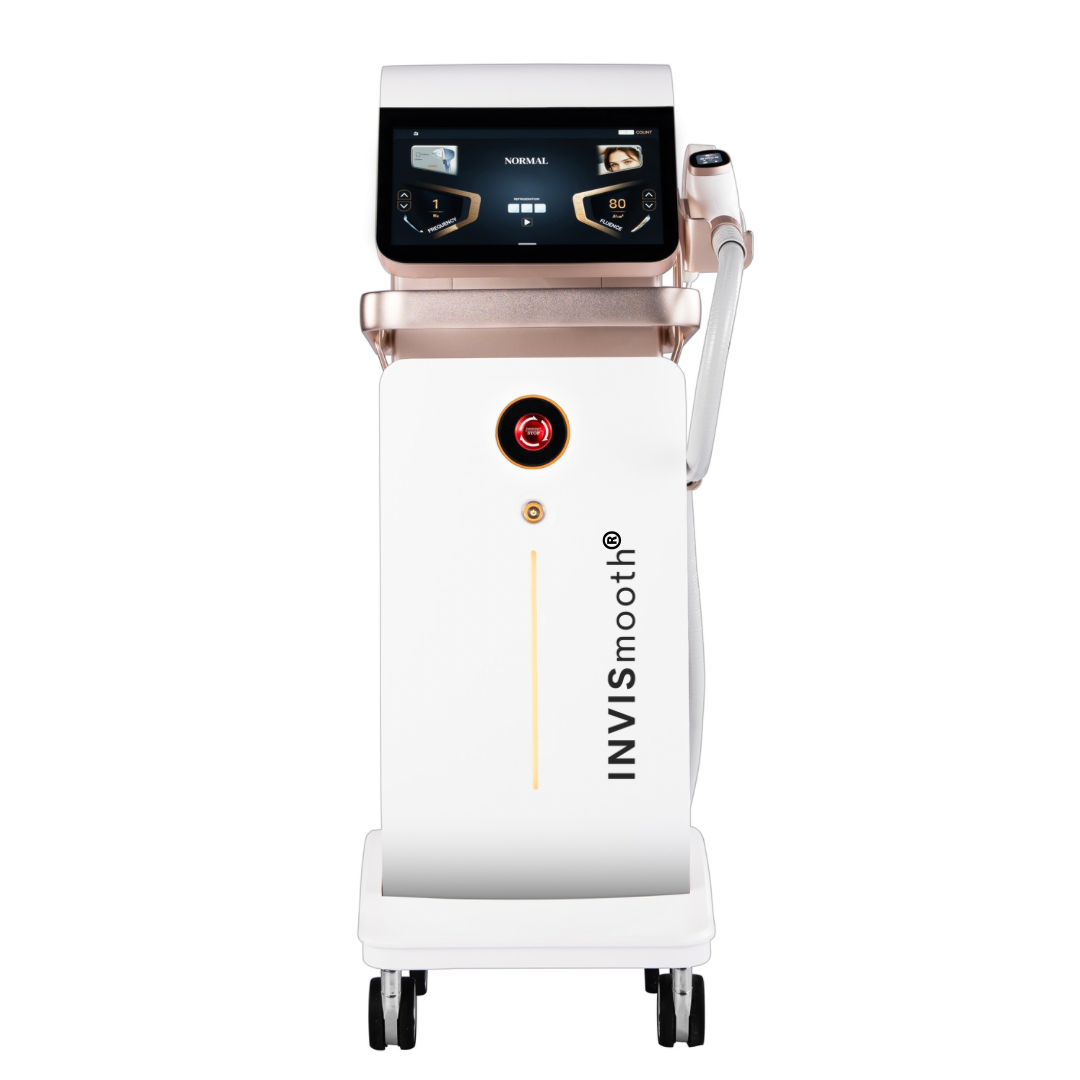
Torno Quatro Diode Laser Hair Removal System
5.Frequently Asked Questions
What should I look for in Laser Hair Removal devices?+
Compare the technology, specifications, safety features, intended use and after-sales support. Confirm the final configuration with a qualified supplier.
What is the difference between diode laser, IPL and Alexandrite laser for hair removal?+
Diode lasers (typically 800–810nm) are considered the gold standard for professional hair removal — they penetrate deep enough to target follicle stem cells while remaining safe across skin types I–V. IPL (intense pulsed light) uses a broad light spectrum and is generally less precise, making it better suited for lighter skin. Alexandrite lasers (755nm) offer very fast treatment speeds but absorb more melanin, making them most effective on skin types I–III. For dark or tanned skin, Nd:YAG (1064nm) wavelengths are preferred. Most modern professional diode systems now combine multiple wavelengths (e.g., 755nm + 808nm + 940nm + 1064nm) to treat a wider range of skin and hair types in a single device.
Are these devices suitable for everyone?+
Suitability depends on the device and the individual. Review the manufacturer guidance and consult a qualified professional before treatment.
How many laser hair removal sessions do I need for permanent results?+
Most clients require 6–12 sessions for significant permanent hair reduction, spaced 4–8 weeks apart depending on the treatment area. Hair grows in cycles, and laser only affects actively growing (anagen) follicles — which represent roughly 20–30% of follicles at any given time. Maintenance sessions (1–2 per year) are typically recommended thereafter. Results vary by skin type, hair color, and hormonal factors.
Can laser hair removal work on dark skin or tanned skin?+
Yes — but the wavelength matters. Standard 808nm diode lasers are generally safe for skin types I–IV but carry some risk on darker skin due to competing melanin absorption. For skin types V–VI, Nd:YAG (1064nm) lasers are the preferred choice as they bypass melanin in the epidermis. Multi-wavelength systems (combining 755nm, 808nm, 940nm, and 1064nm) allow practitioners to select the appropriate wavelength per client, making treatment safer across the Fitzpatrick scale.
What does "painless" or "ice cooling" mean in diode laser hair removal?+
"Ice" or sapphire cooling systems contact the skin surface before, during, and after each laser pulse, dropping the epidermis to near-freezing temperatures. This numbs nerve endings and reduces the sensation of heat from the laser — making treatments significantly more comfortable than older systems without cooling. The term "painless" is marketing language; most clients describe ice-cooled diode lasers as having a "warm snapping" sensation rather than burning pain. True pain-free treatment also depends on energy density settings and individual pain tolerance.
What is the difference between home IPL devices and professional diode laser machines?+
Home IPL devices operate at lower energy levels (typically 3–10 J/cm²) to comply with consumer safety regulations, making them less effective than professional systems (which commonly deliver 10–60+ J/cm²). Professional diode lasers use coherent laser light at a single precise wavelength, while IPL emits broad-spectrum light — making diode lasers more targeted and effective per session. A full-body professional session typically takes 20–40 minutes; home devices may require 30–60 minutes per area with more sessions needed to achieve comparable results.