🎯 Tattoo Removal Lasers
Tattoo removal laser systems use high-energy pulses to break up pigment particles for professional treatment workflows.
1.How It Works
Technology, configuration and operating procedures vary by device. Review the manufacturer specifications, intended use and professional guidance before treatment.
2.Types of Devices
- Home-use devices for personal routines
- Professional systems for clinics, salons and spas
- Multi-function platforms with interchangeable handpieces
3.What to Look For
- Technology, output and treatment area
- Safety features, certifications and operator training
- Maintenance, service support and included accessories
Safety first: Verify certifications, operating instructions and user suitability before treatment. Professional devices should be operated by trained personnel.
4.Devices in This Category
Explore 49 devices in Tattoo Removal Lasers. Specifications are compiled from source listings and may vary by configuration.
FDA: unverified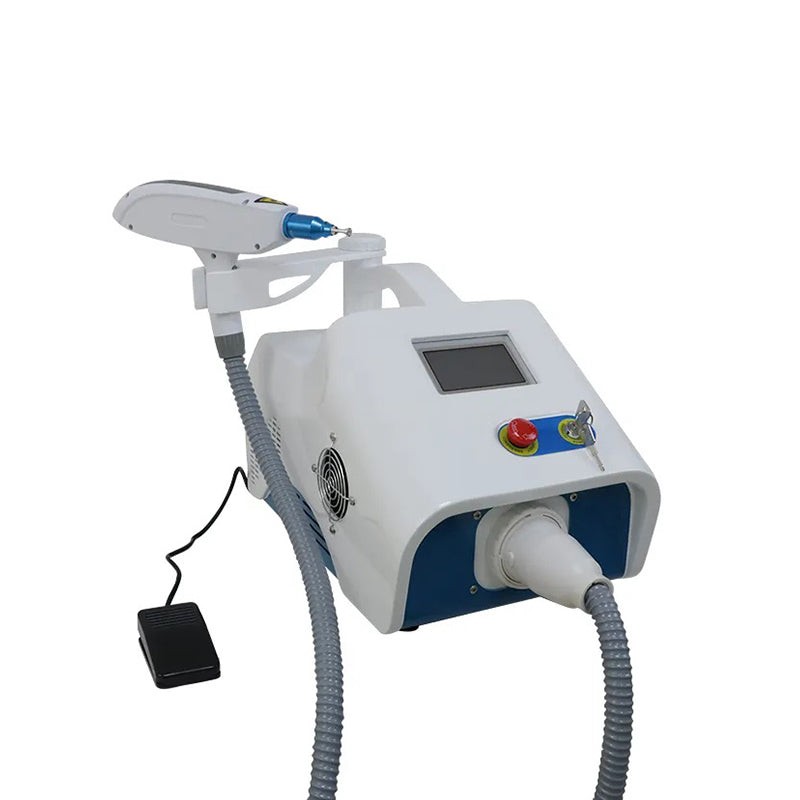
Tattoo Removal Lasers
Desktop q switched Yag Laser Beauty Equipment for Tattoo Pigment Removal
FDA: unverified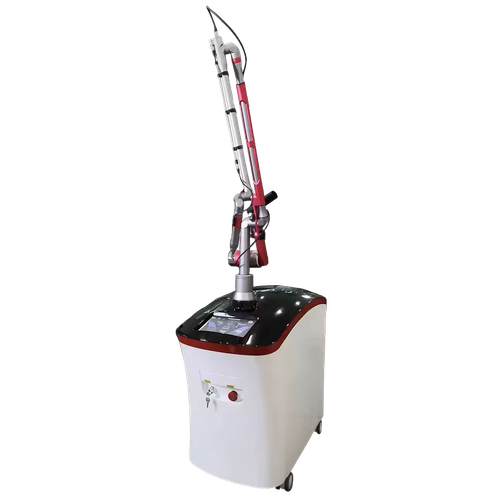
Tattoo Removal Lasers
Stationary Picosecond Laser Machine
FDA: unverified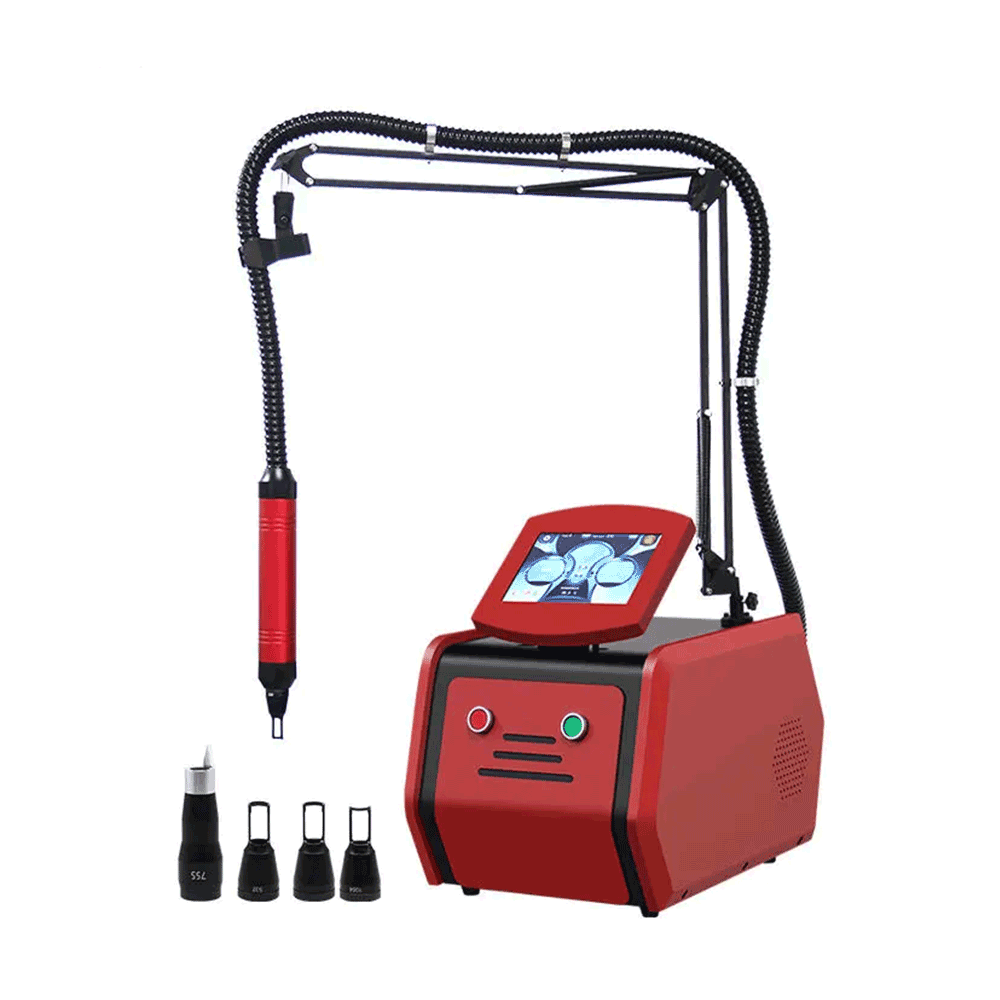
Tattoo Removal Lasers
Professional Picosecond Laser Tattoo Removal Machine
FDA: unverified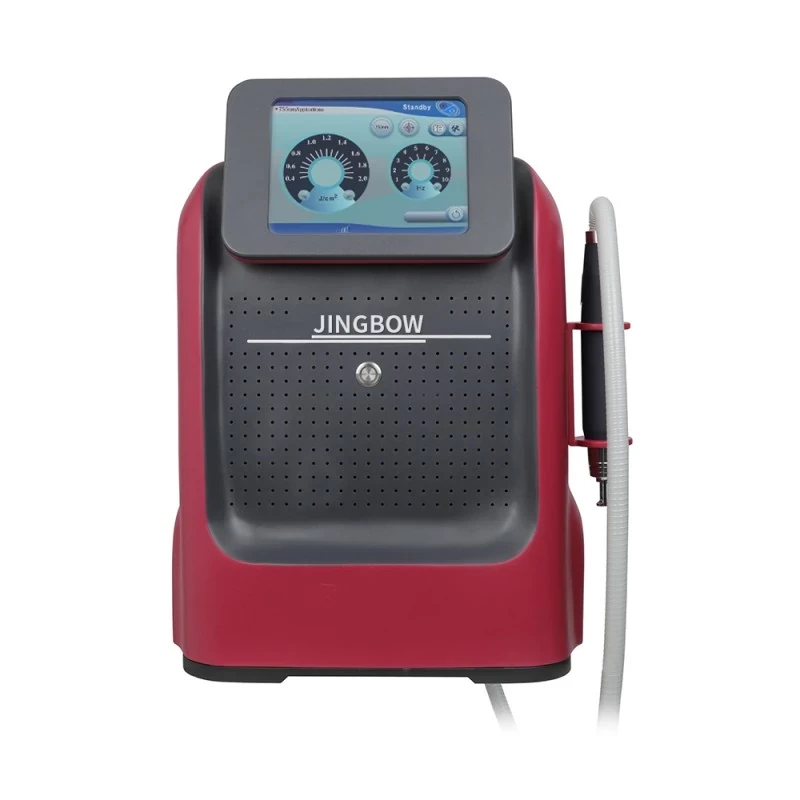
Tattoo Removal Lasers
1200W Picosecond Laser Tattoo Removal 4 Wavelengths
FDA: unverified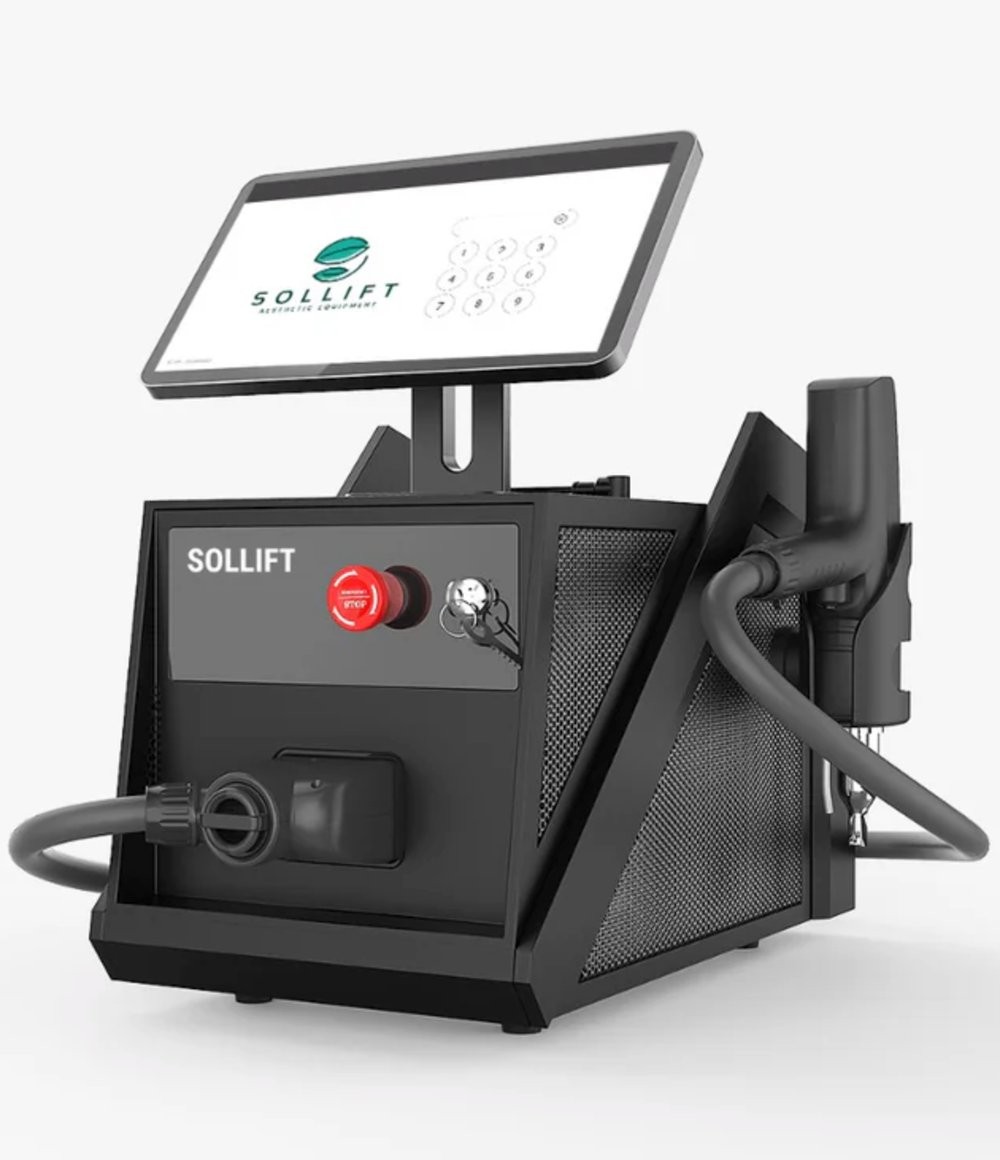
Tattoo Removal Lasers
Revita Ink Remaster Tattoo Removal & Skin Rejuvenation Laser
FDA: unverified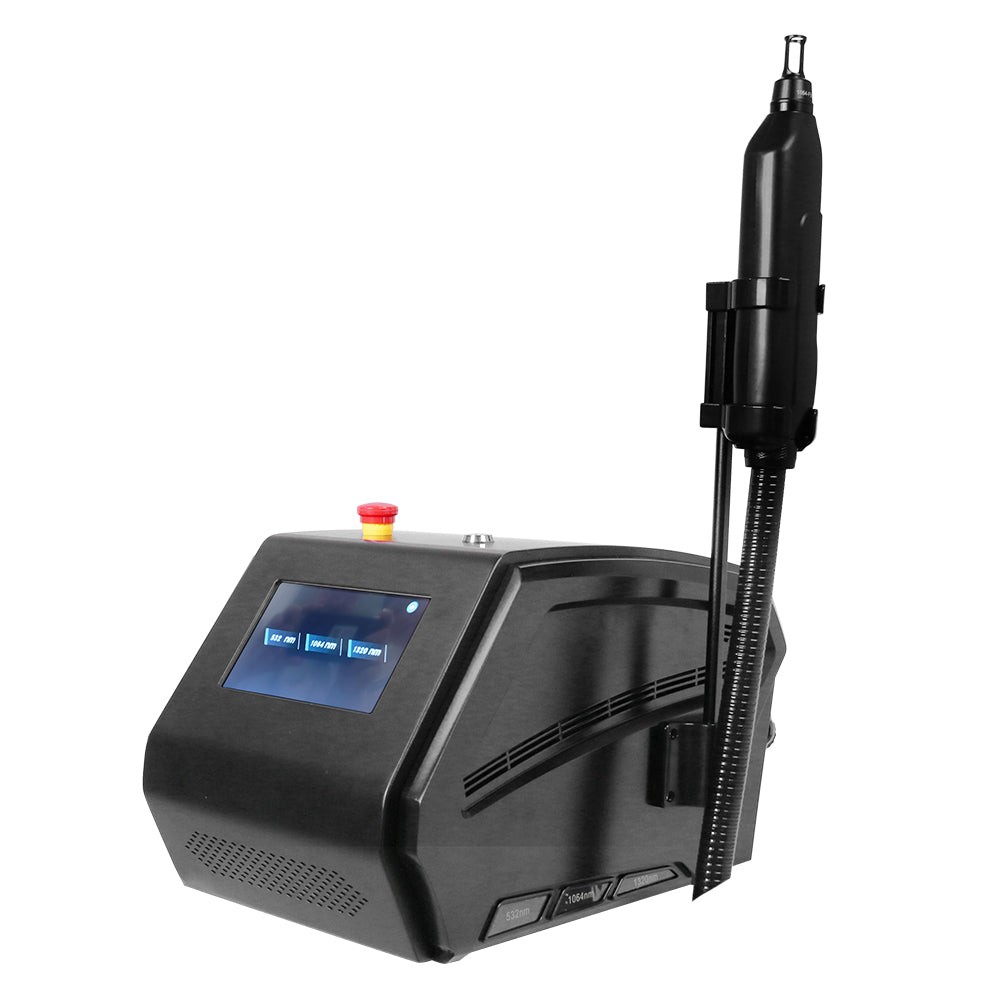
Tattoo Removal Lasers
Professional ND:YAG Laser Tattoo Removal & Skin Rejuvenation Machine (J13)
FDA: unverified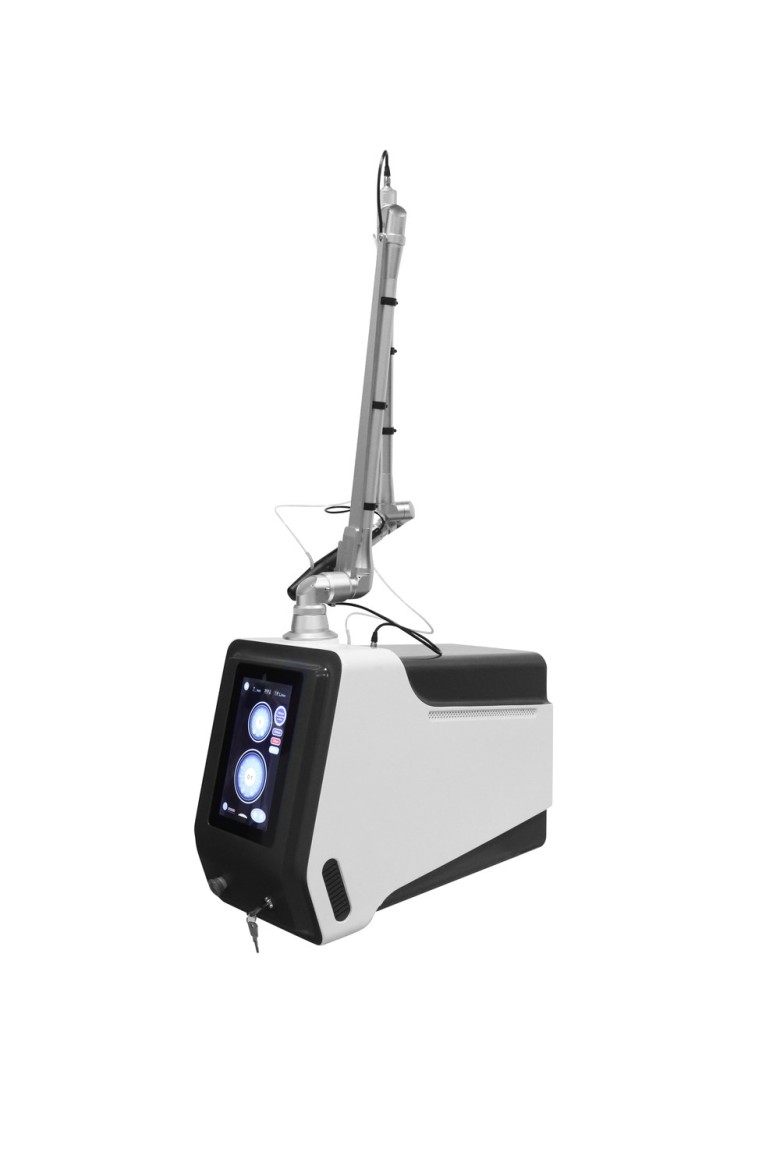
Tattoo Removal Lasers
Nd YAG Picosecond Laser for Tattoo Removal & Pigment Treatment
FDA: unverified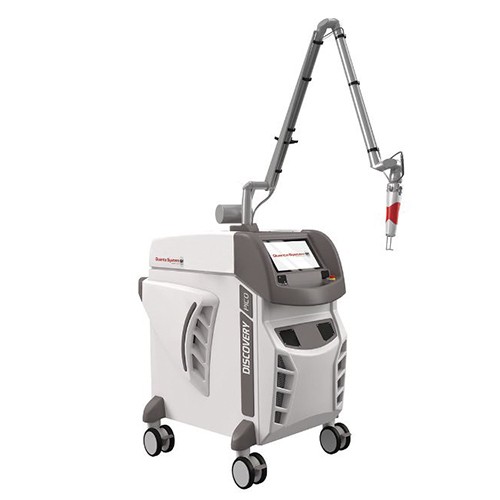
Tattoo Removal Lasers
Discovery PICO
FDA: unverified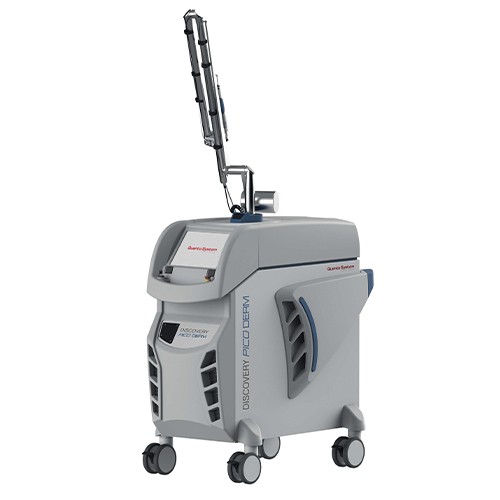
Tattoo Removal Lasers
Discovery PICO DERM
FDA: unverified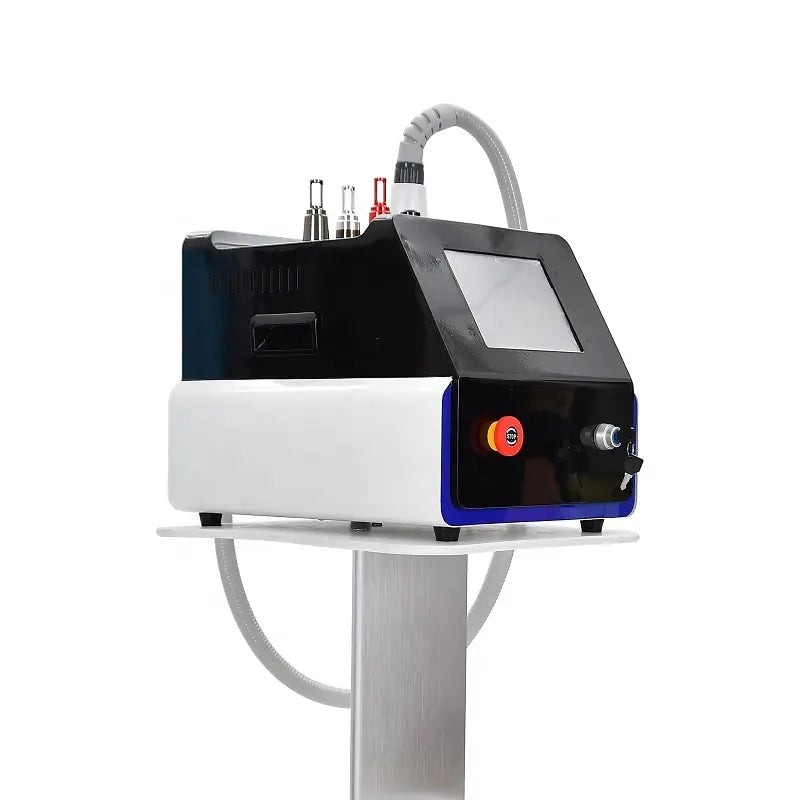
Tattoo Removal Lasers
Tattoo Removal Laser 4 Wavelength Q Switched Laser Carbon Peeling
FDA: unverified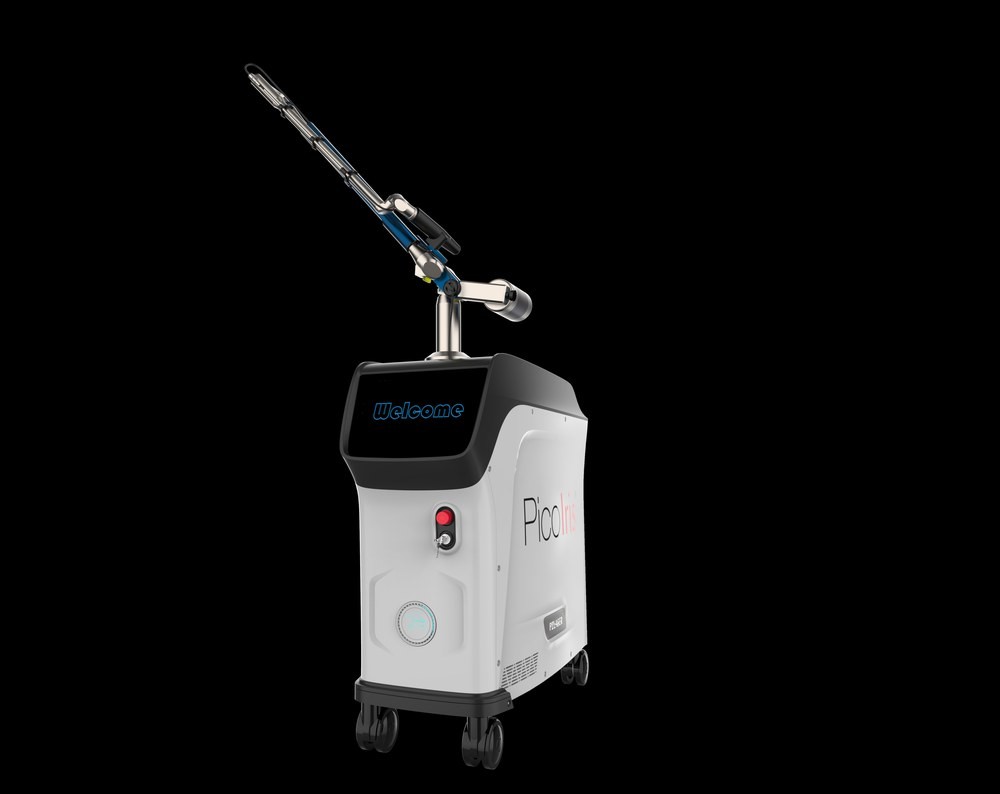
Tattoo Removal Lasers
3-Wavelength PicoIris Via AeonEx. 5-Mode Pico With 2-Year Warranty (FDA Cleared)
FDA: unverified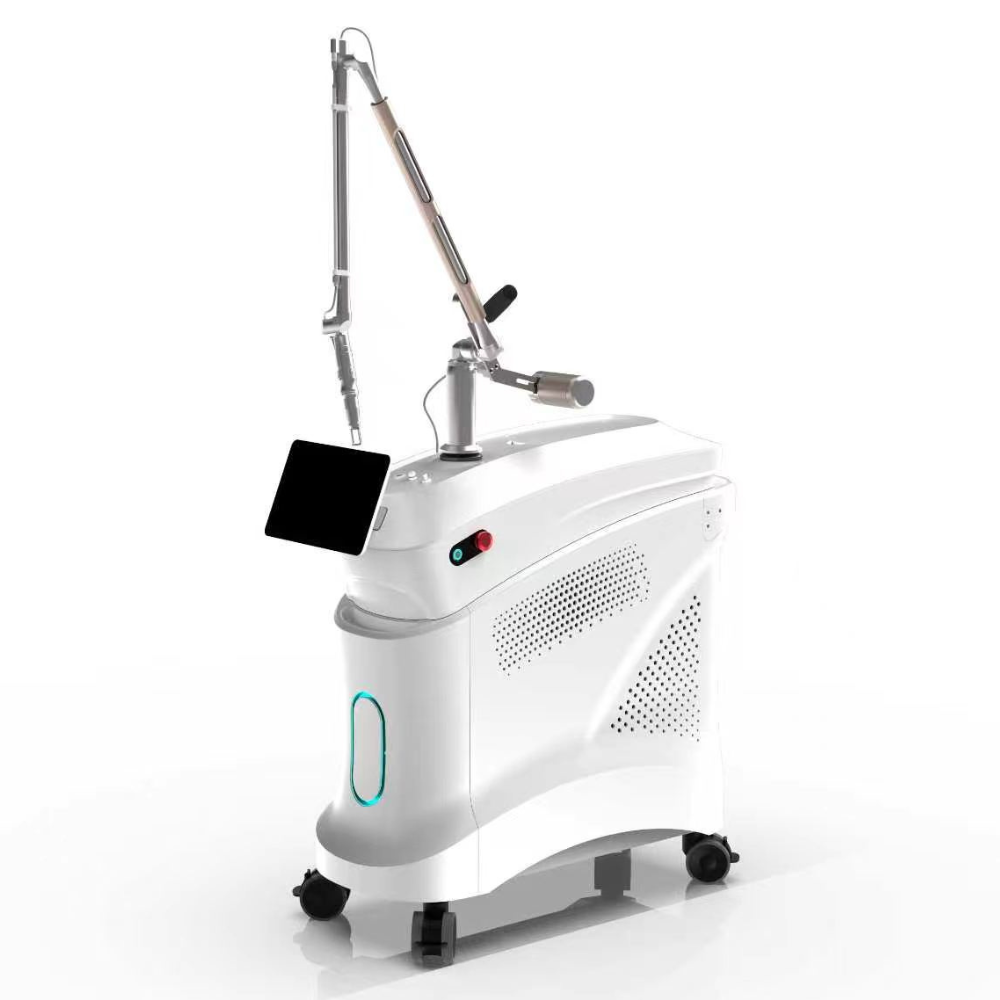
Tattoo Removal Lasers
PicoPretty® Transform 450
5.Frequently Asked Questions
What should I look for in Tattoo Removal Lasers devices?+
Compare the technology, specifications, safety features, intended use and after-sales support. Confirm the final configuration with a qualified supplier.
What is the difference between picosecond and nanosecond lasers for tattoo removal?+
Picosecond lasers emit pulses in trillionths of a second (10⁻¹² s), typically 300–750 picoseconds, while nanosecond lasers emit pulses in billionths of a second (10⁻⁹ s), typically 3–10 nanoseconds. For tattoo removal, this matters enormously: the shorter the pulse, the more energy is delivered before heat dissipates into surrounding tissue, creating a stronger photoacoustic (shock-wave) effect that fractures ink particles more efficiently. Clinical studies — including those comparing picosecond Nd:YAG to traditional Q-switched nanosecond lasers — show picosecond devices can achieve equivalent or better tattoo clearance in fewer sessions (often 4–6 vs 8–12 for professional tattoos) and with less thermal damage to the surrounding skin. However, nanosecond Q-switched lasers remain the clinical standard with decades of safety data, and many practitioners use them successfully for standard black and dark blue tattoos. The key trade-off is cost vs. marginal efficacy gains.
Are these devices suitable for everyone?+
Suitability depends on the device and the individual. Review the manufacturer guidance and consult a qualified professional before treatment.
How many sessions does it take to remove a black tattoo?+
Professional-quality black tattoos typically require 8 to 12 laser sessions to achieve substantial clearance, with amateur tattoos potentially clearing in 3–6 sessions. Sessions are spaced 6–8 weeks apart to allow the lymphatic system to flush out fragmented ink particles. Darker, more densely saturated tattoos respond faster initially; after 3–4 sessions most patients see 50–70% fading. Complete removal — where the tattoo is invisible to the naked eye — is not guaranteed, as ink depth, pigment type, skin tone, and individual healing response all affect outcomes. Expect gradual lightening rather than overnight results, and budget for potential touch-up sessions.
Can picosecond lasers remove colored tattoos that Q-switched nanosecond lasers cannot?+
Picosecond lasers — particularly those with 532nm (green), 755nm (alexandrite), and 1064nm (Nd:YAG) wavelengths — can target a broader range of colored inks than traditional single-wavelength Q-switched systems. The ultra-short pulse enables more efficient photoacoustic fragmentation of notoriously difficult colors like yellow, orange, and sky blue that poorly absorb longer nanosecond pulses. However, no laser removes all colors equally well. White, flesh-toned, and fluorescent inks are particularly resistant and may require surgical excision if laser fails. The advantage of picosecond over nanosecond for colored tattoos is most pronounced for green and blue inks, where clinical studies show 30–50% faster clearance rates. Multi-wavelength picosecond platforms (with 532/755/1064nm) give practitioners the versatility to switch wavelengths mid-session for mixed-color tattoos.
Is tattoo removal safe on dark skin?+
Tattoo removal on dark skin (Fitzpatrick IV–VI) carries a higher risk of hypopigmentation, hyperpigmentation, and burns because melanin in the skin competes with tattoo ink for laser energy absorption. The 1064nm Nd:YAG wavelength is considered the safest option for darker skin types because it is least absorbed by melanin. Practitioners should use lower fluences, longer pulse widths where available, aggressive cooling, and extend inter-session intervals (8–12 weeks) to allow full skin recovery. Picosecond Nd:YAG systems offer a theoretical safety advantage over nanosecond for dark skin due to reduced thermal load, but proper technique matters more than technology alone. A test patch is standard practice before full treatment on Fitzpatrick IV–VI skin. Avoid 532nm on dark skin — that wavelength is strongly absorbed by melanin and poses a high burns and PIH risk.
What's the difference between 532nm, 755nm, and 1064nm wavelengths in tattoo removal?+
Each wavelength targets different ink colors based on light absorption:
**1064nm (Nd:YAG, infrared):** Absorbed best by black, dark blue, and dark brown inks. Passes through melanin with relatively low absorption, making it the safest wavelength for darker skin types (Fitzpatrick III–VI). Effective for deep-set and resistant professional tattoos.
**532nm (frequency-doubled Nd:YAG, green light):** Absorbed by red, orange, yellow, and light brown inks. Ideal for warm-toned tattoos and sun-damaged pigment. Not recommended for darker skin due to high melanin absorption.
**755nm (Alexandrite):** Absorbed by black, blue, and green inks. A popular choice for treating mixed-color tattoos and lighter green pigments that 1064nm may not fully clear. Lower melanin absorption than 532nm but higher than 1064nm.
**1320nm (Nd:YAG, infrared):** Primarily used for skin rejuvenation (collagen stimulation, pore reduction) rather than direct tattoo removal. Some platforms include it for carbon laser facials.
In practice, practitioners use wavelength selection charts based on ink color and skin tone, and many multi-wavelength systems allow switching handpieces mid-session for mixed-color tattoos.