🔴 Red Light Therapy
Red and near-infrared light therapy uses specific wavelengths of light in skin rejuvenation, inflammation reduction and recovery routines.
1.How It Works
Technology, configuration and operating procedures vary by device. Review the manufacturer specifications, intended use and professional guidance before treatment.
2.Types of Devices
- Home-use devices for personal routines
- Professional systems for clinics, salons and spas
- Multi-function platforms with interchangeable handpieces
3.What to Look For
- Technology, output and treatment area
- Safety features, certifications and operator training
- Maintenance, service support and included accessories
Safety first: Verify certifications, operating instructions and user suitability before treatment. Professional devices should be operated by trained personnel.
4.Devices in This Category
Explore 135 devices in Red Light Therapy. Specifications are compiled from source listings and may vary by configuration.
FDA: unverified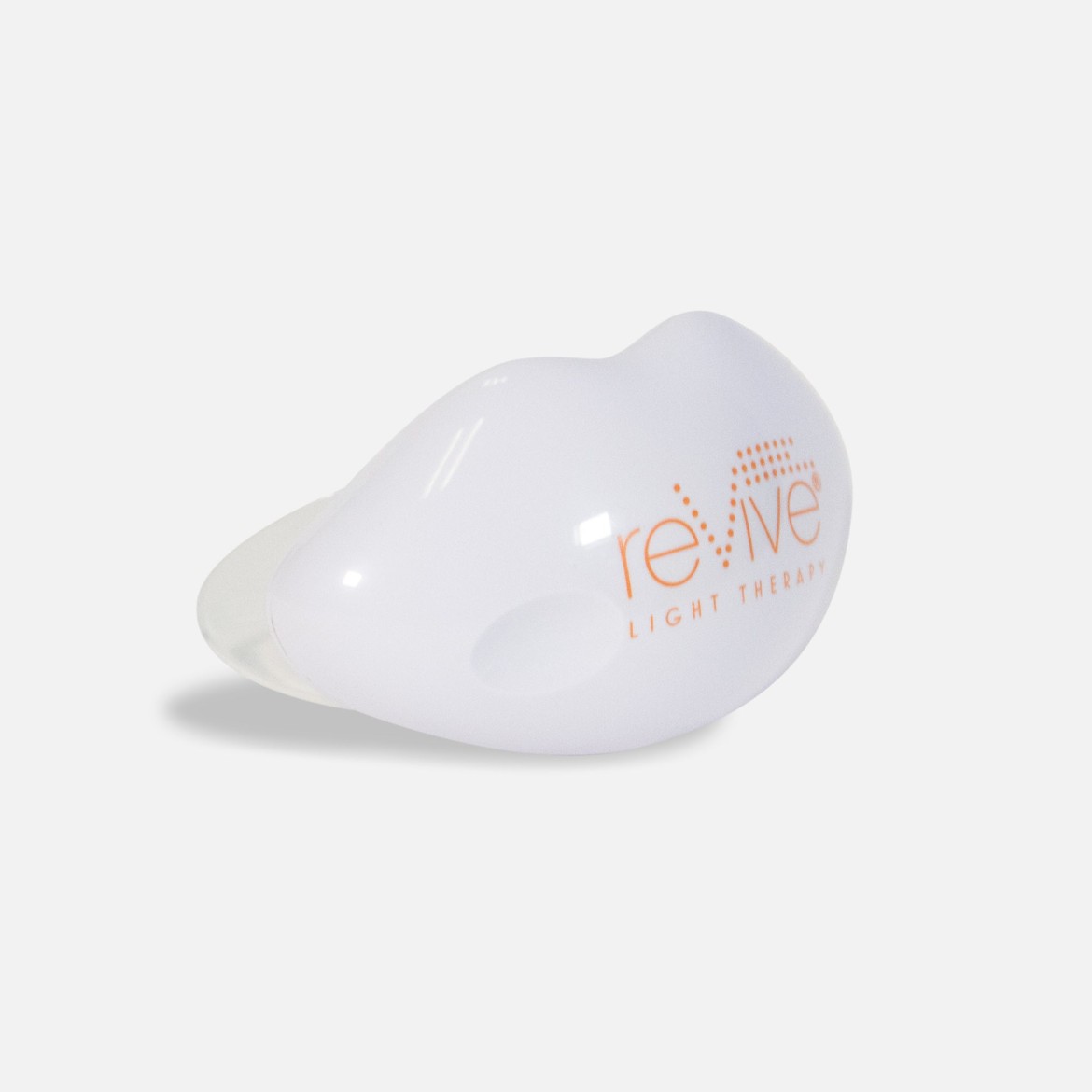
Red Light Therapy
Lux LED Lip Care Enhancer by reVive Light Therapy
FDA: unverified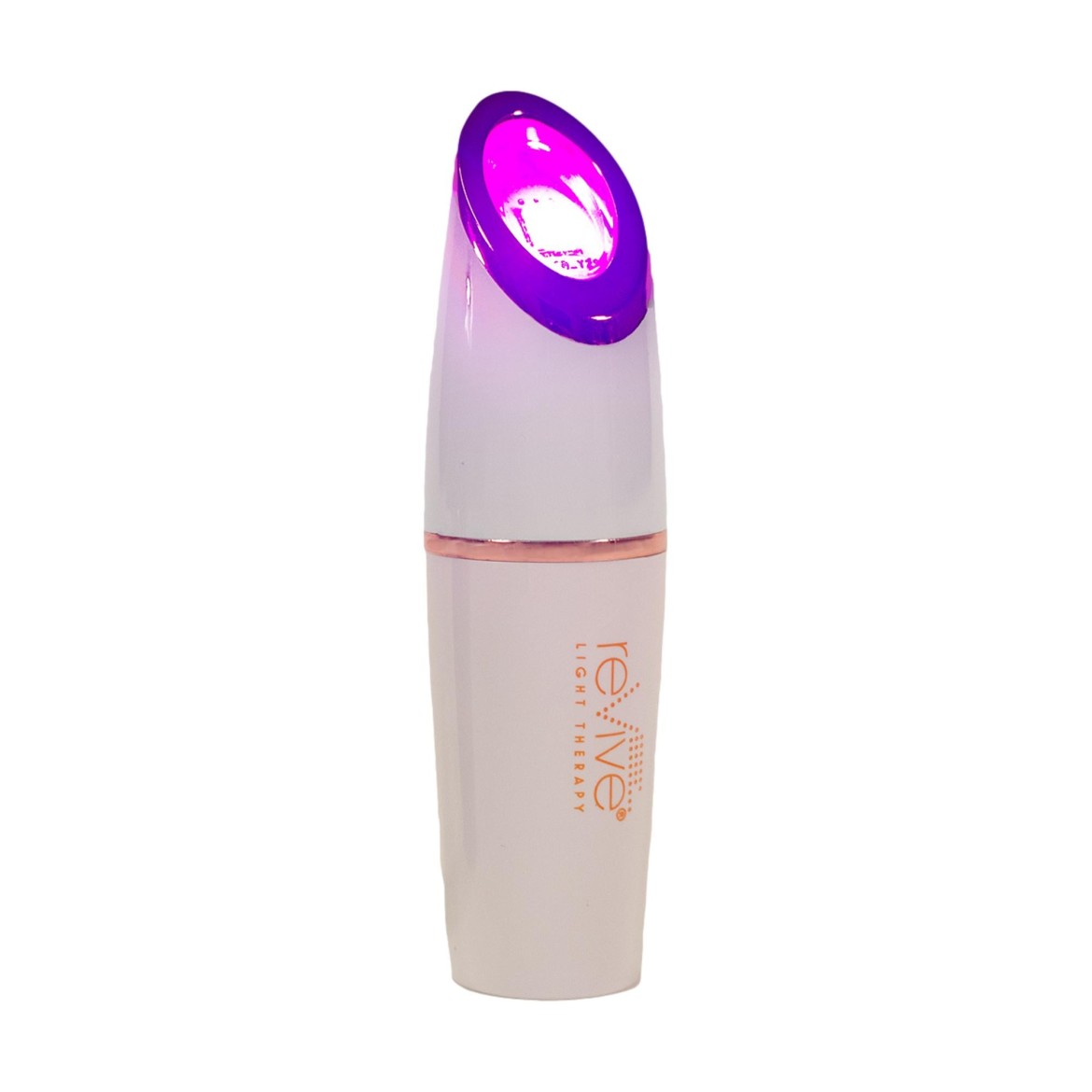
Red Light Therapy
Lux Spot LED Acne Treatment by reVive Light Therapy
FDA: unverified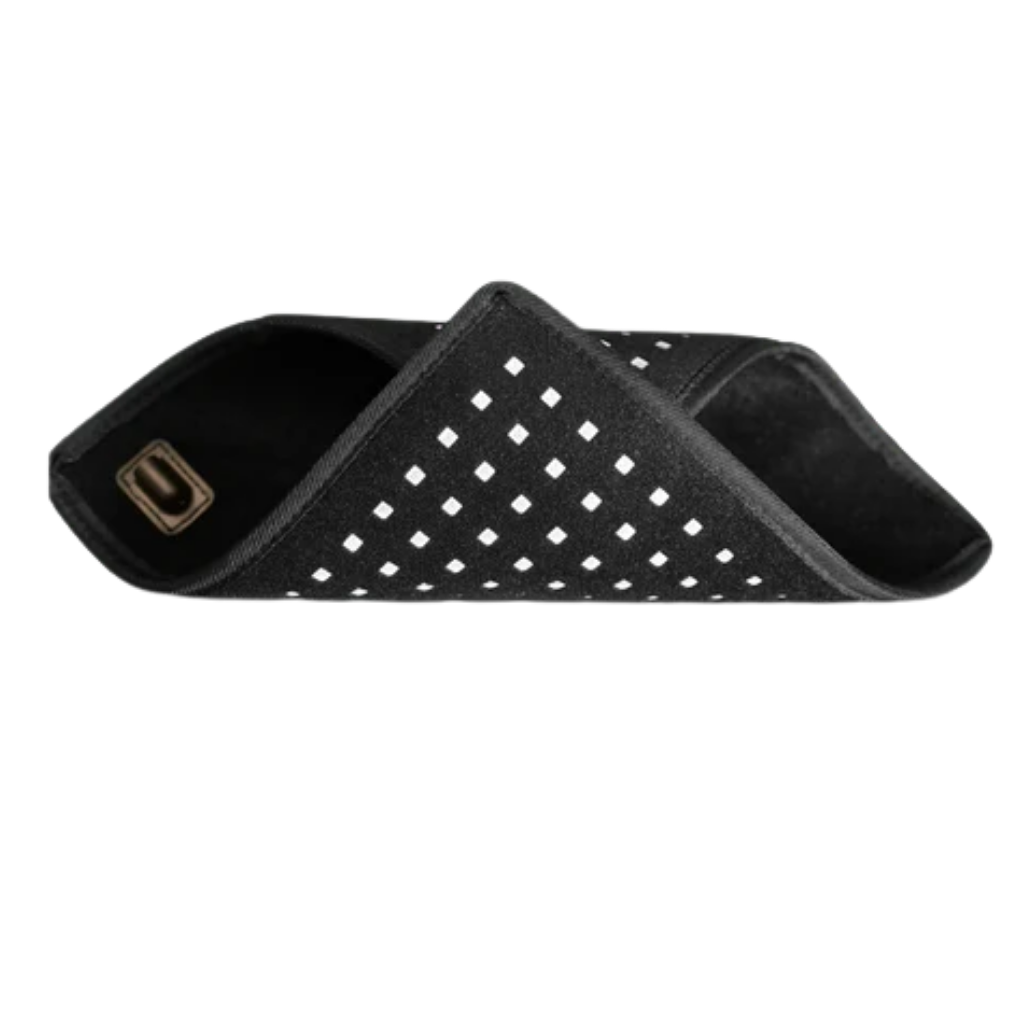
Red Light Therapy
Lumara Professional Red Light Panel (Small)
FDA: unverified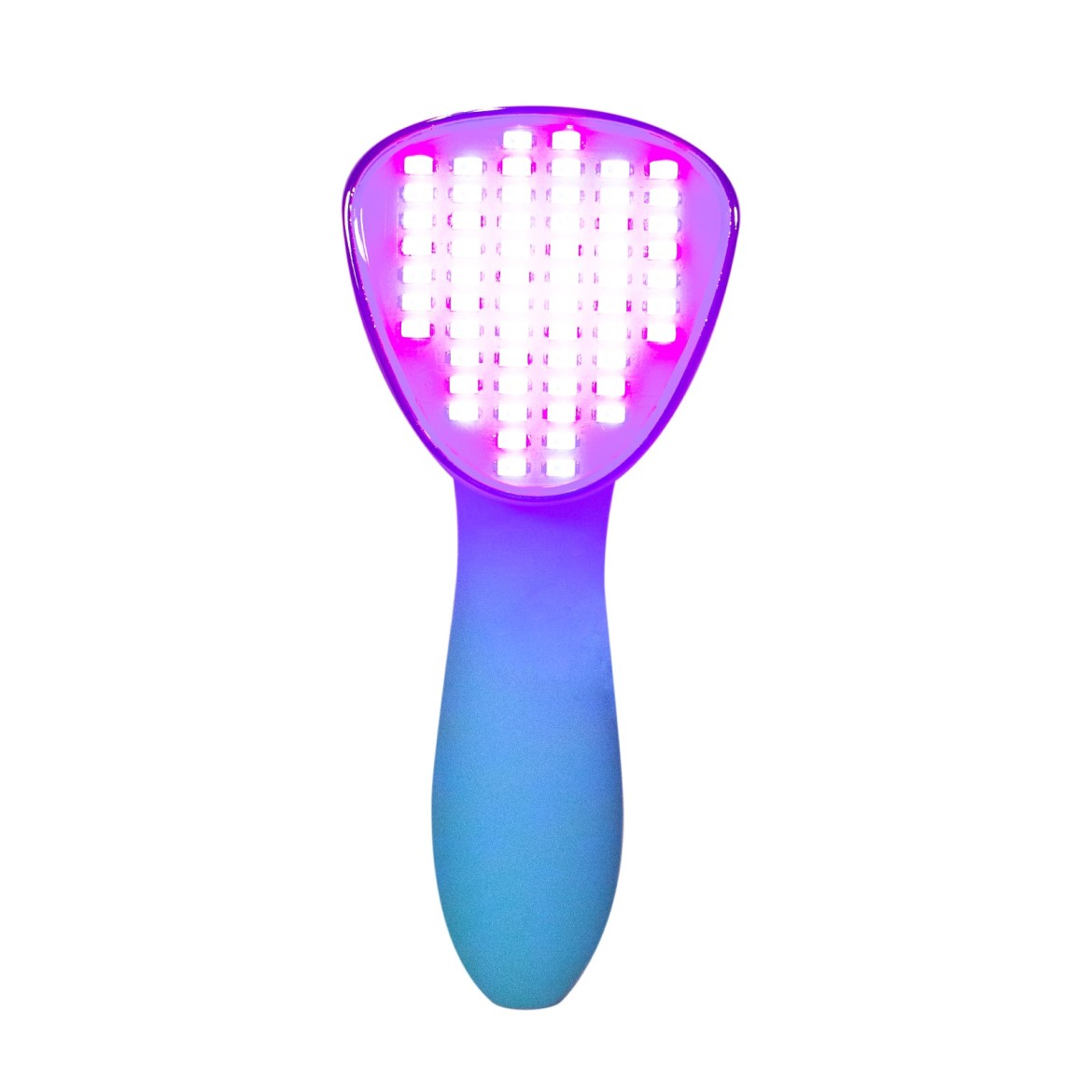
Red Light Therapy
reVive Light Therapy Acne Treatment, Clinical XL
FDA: unverified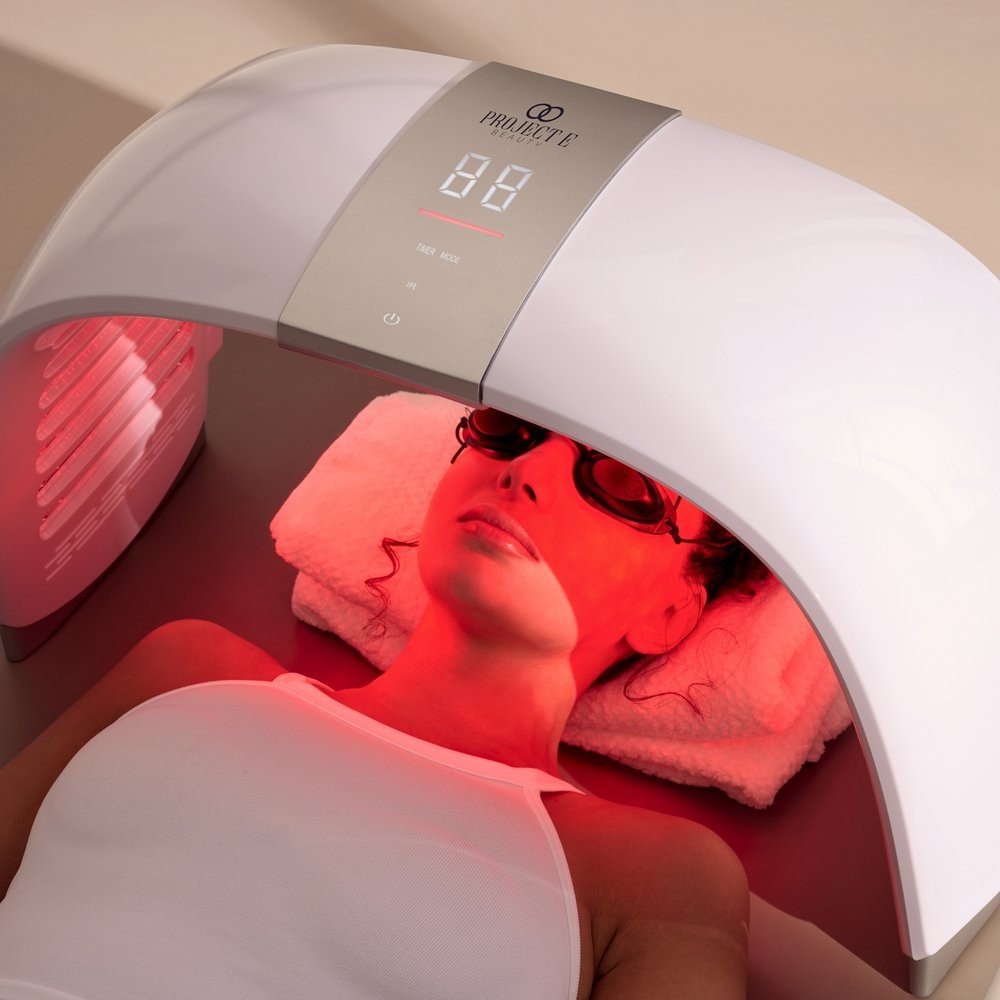
Red Light Therapy
LumaLux Dome | Face & Body LED Red Light Therapy Device
FDA: unverified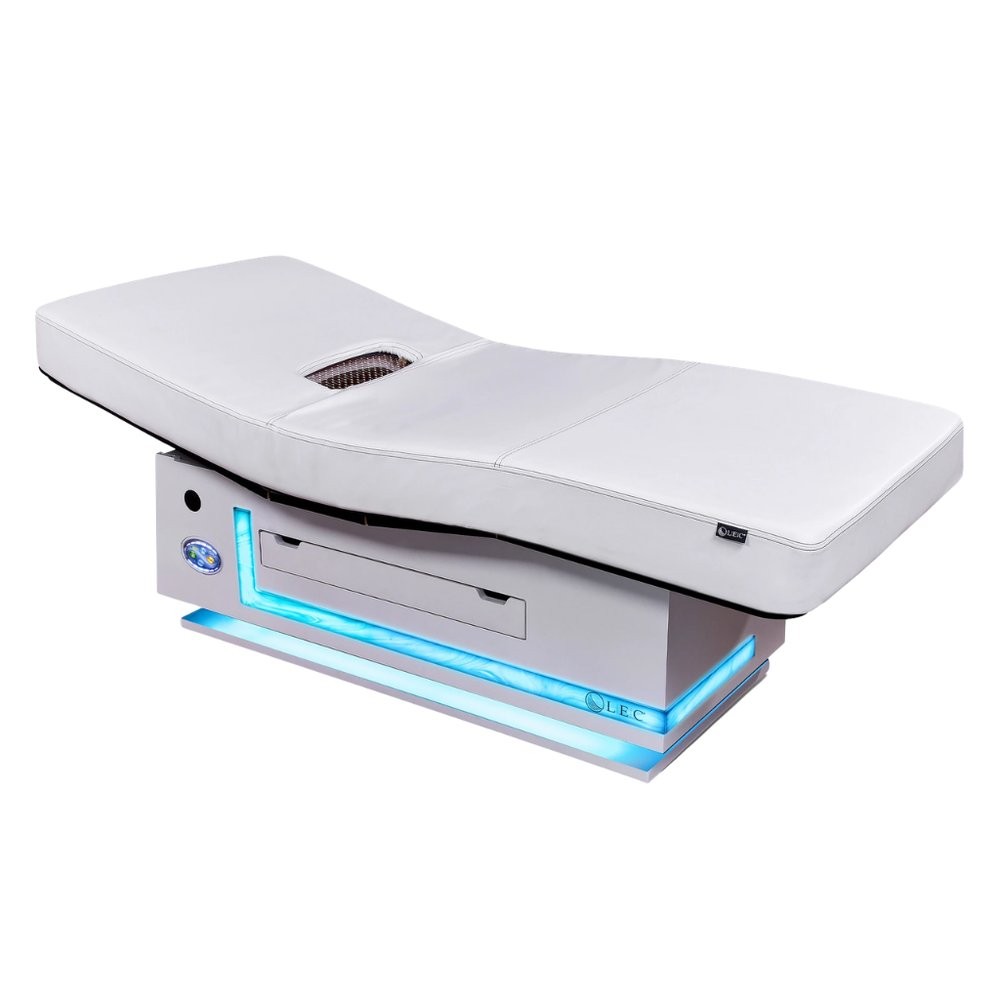
Red Light Therapy
NEW Radiance PT Pulsed LED Light Therapy Treatment Table
FDA: unverified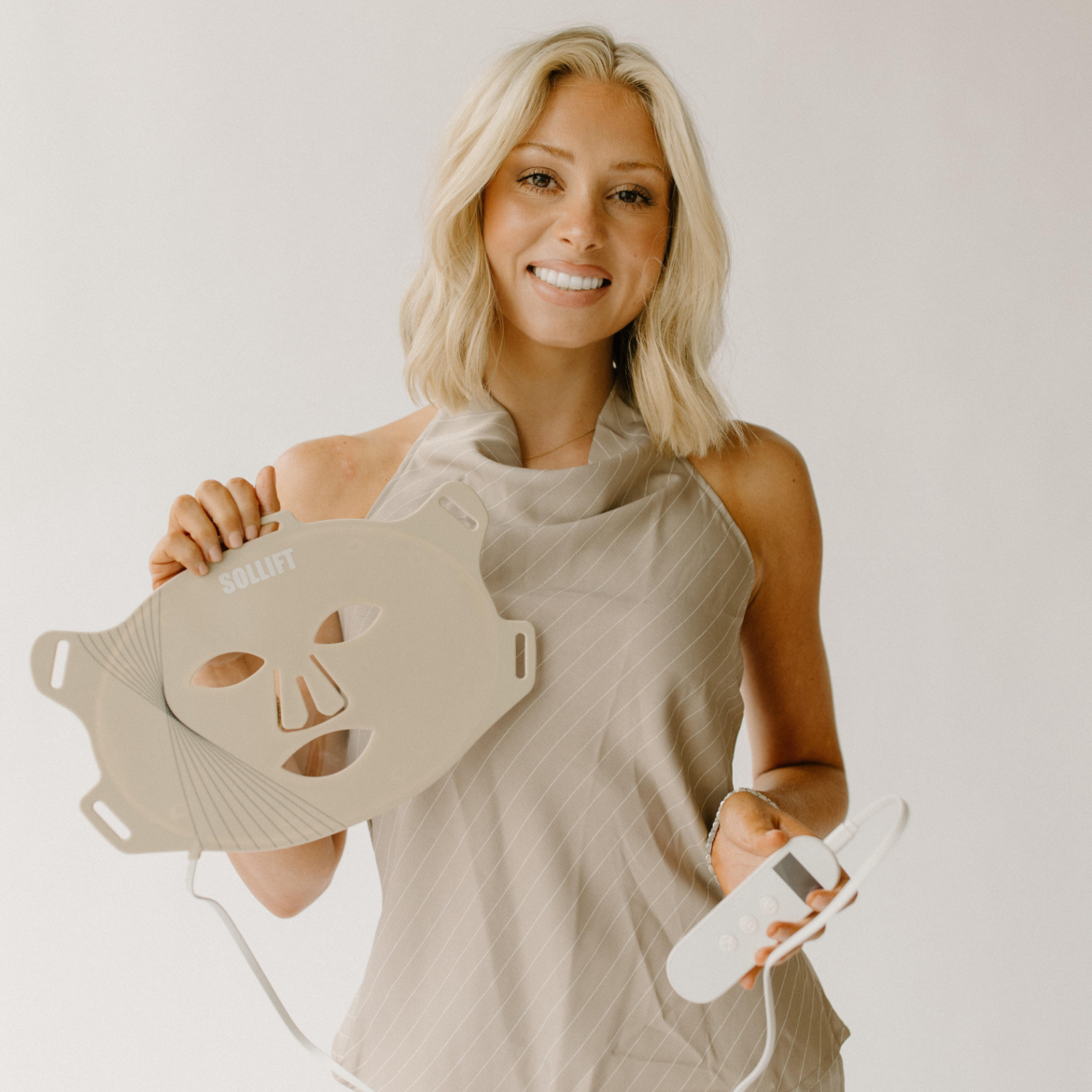
Red Light Therapy
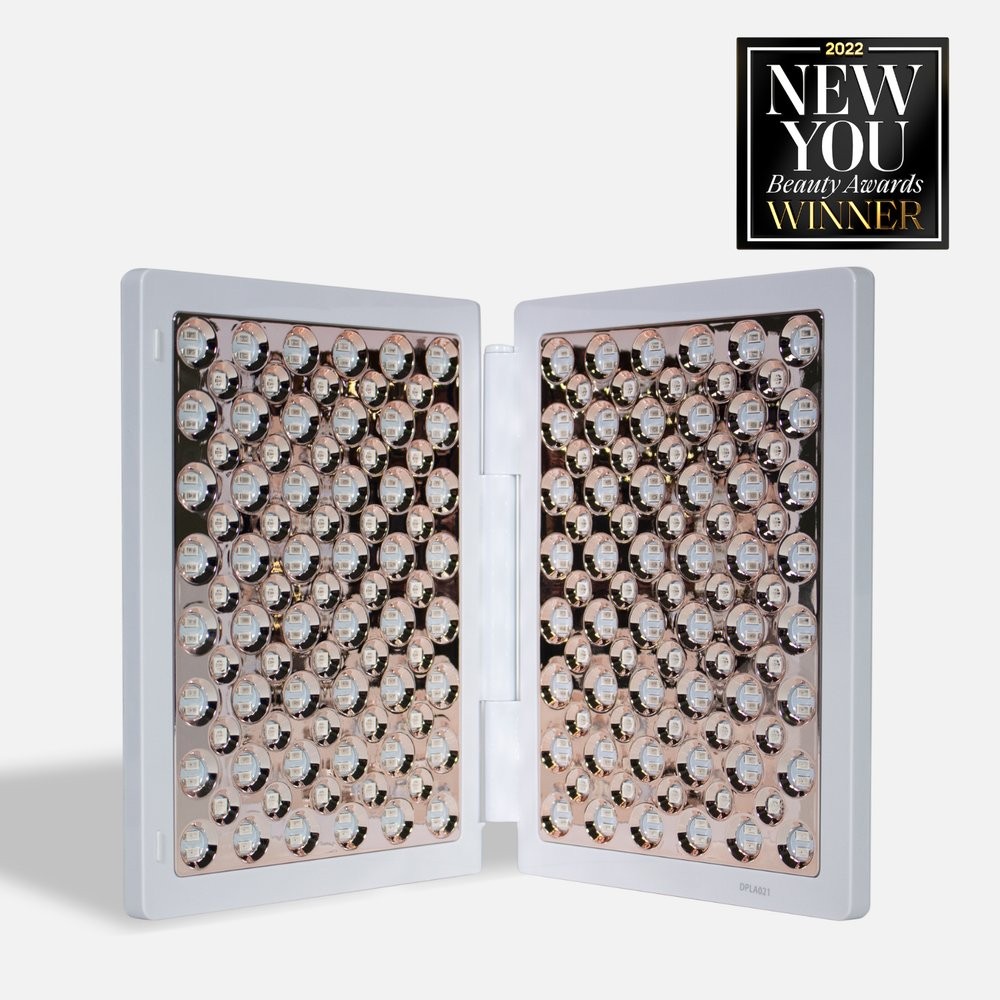
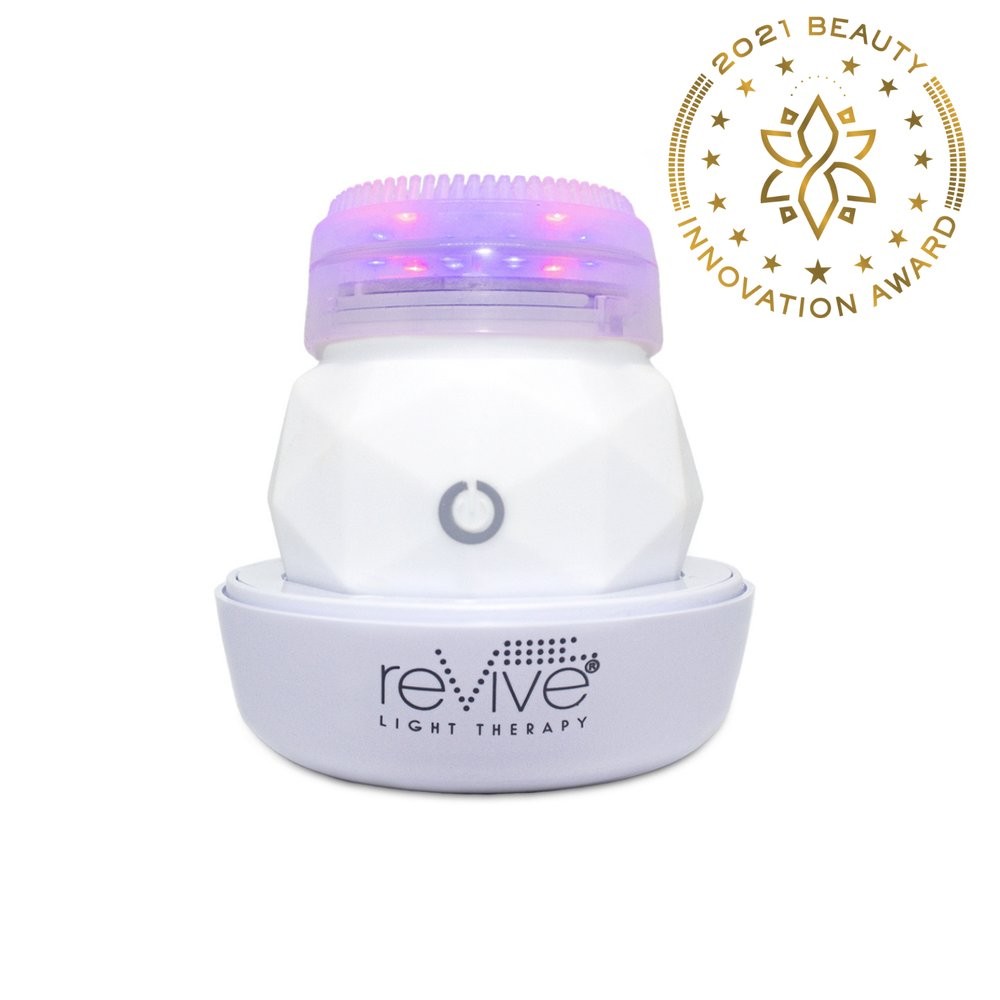
Velour LED Face Mask - FDA-cleared
FDA: unverified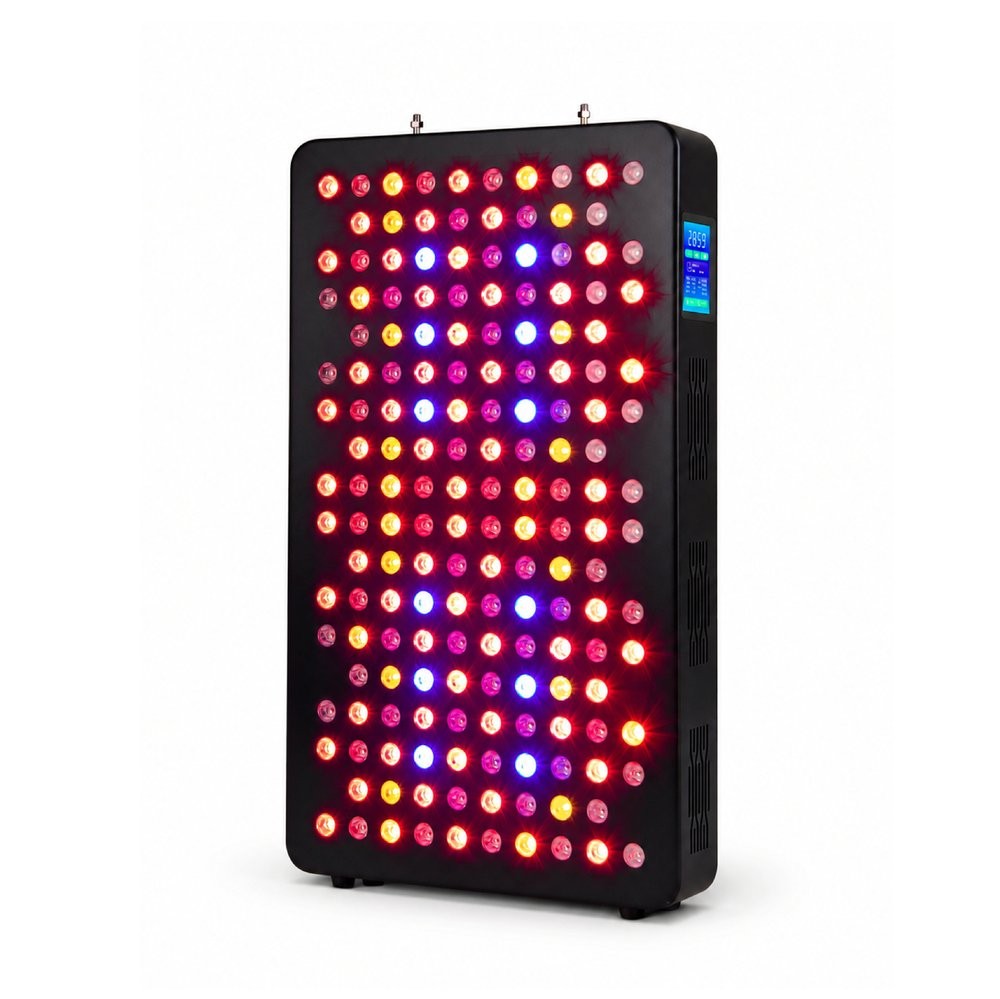
Red Light Therapy
Merope Red and Near Infrared Light Therapy Device P168
FDA: unverified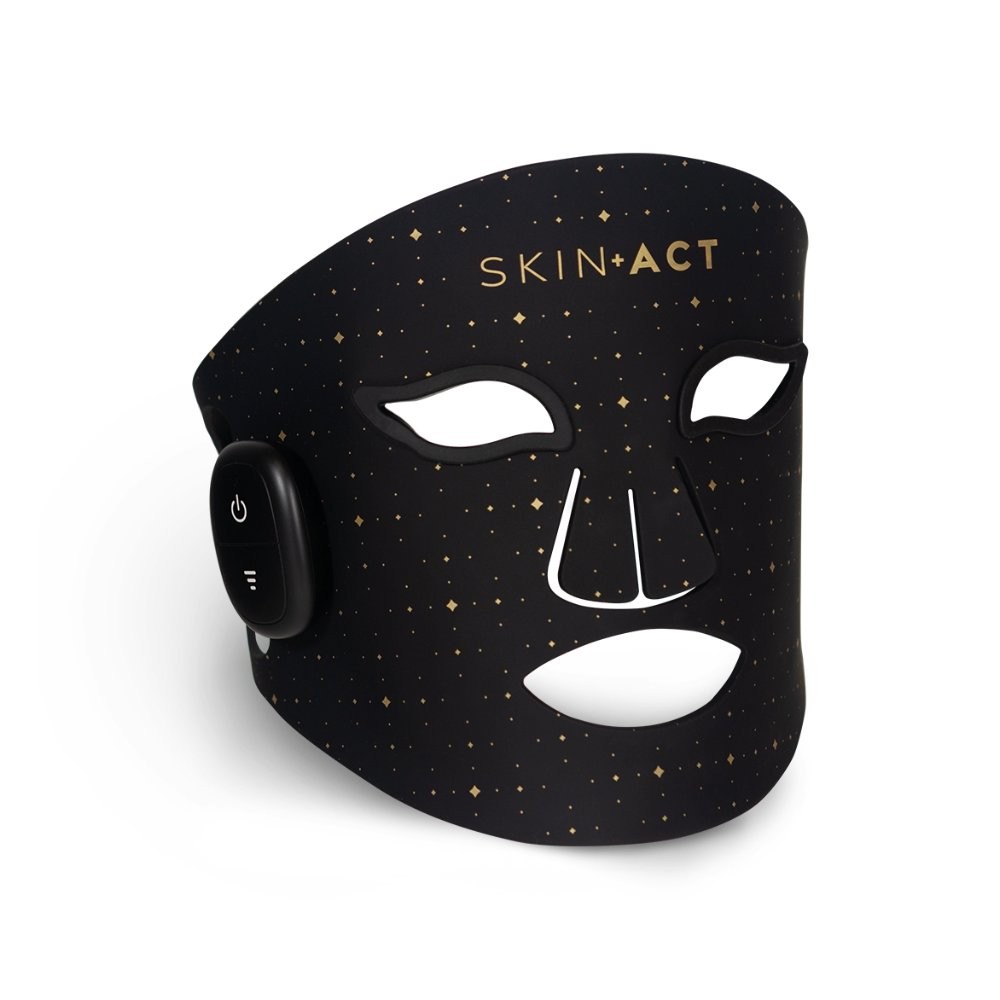
Red Light Therapy
Wireless LED Light Therapy Mask
FDA: unverified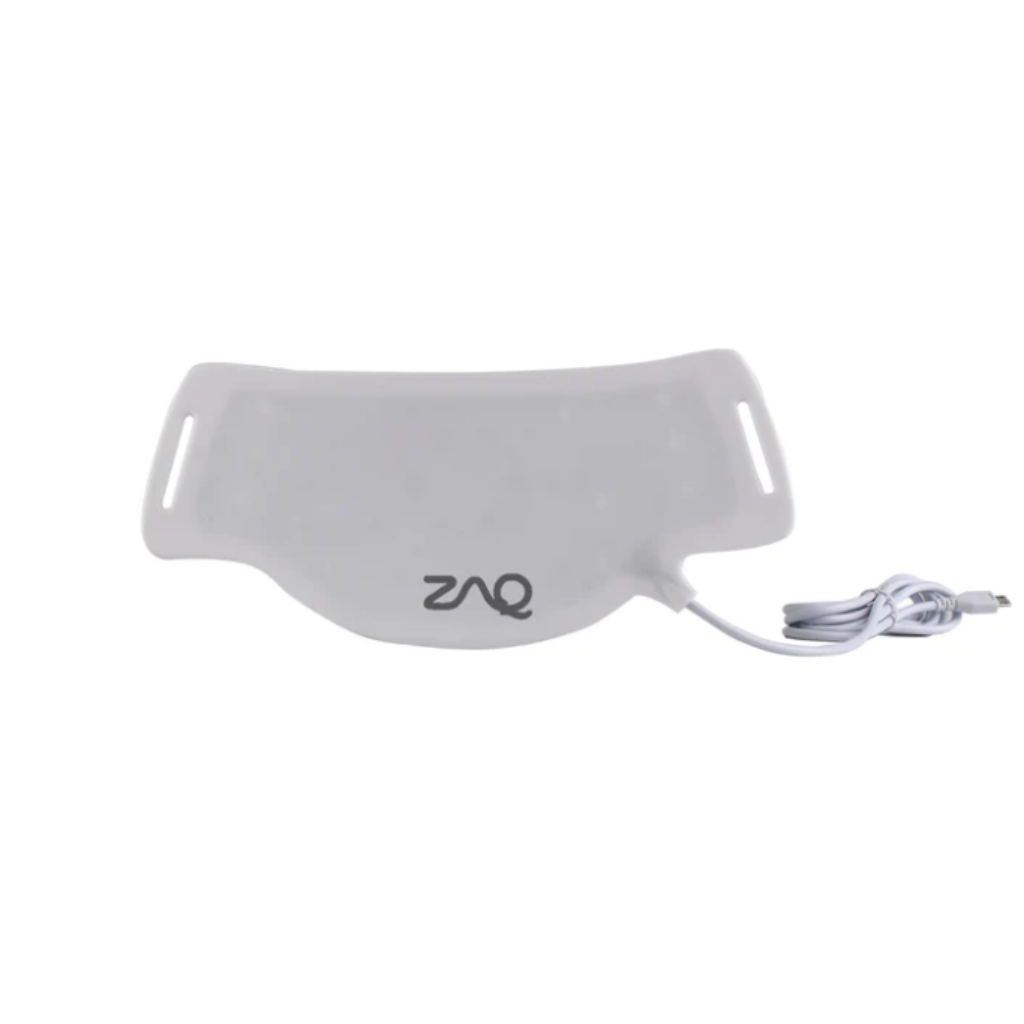
Red Light Therapy
ZAQ Noor 2.0 LED Light Therapy Neck Mask
5.Frequently Asked Questions
What should I look for in Red Light Therapy devices?+
Compare the technology, specifications, safety features, intended use and after-sales support. Confirm the final configuration with a qualified supplier.
What's the difference between red light therapy panels and LED masks?+
Red light therapy panels are large, rigid LED arrays—typically freestanding or wall-mounted—that treat broad body areas like the back, legs, or torso in standing or lying sessions. LED masks conform to the face and scalp, delivering targeted light at closer proximity for skin-focused indications. Panels operate at higher irradiance (mW/cm²) over larger treatment areas, making them suitable for full-body photobiomodulation, while masks are optimized for facial aesthetics (anti-aging, acne, pigmentation). Both are non-thermal and non-invasive, but their form factor determines clinical use case: panels for systemic or large-area treatment, masks for precision facial rejuvenation.
How long does red light therapy take to show results?+
Clinical studies on photobiomodulation (PBM) show that cellular responses begin within minutes of treatment, but visible skin improvements typically emerge over 4–12 weeks with consistent, daily use. Acute pain relief can occur in as little as 15–20 minutes per session. Full anti-aging results—increased collagen density, reduced wrinkle depth—generally require 8–16 weeks of regular sessions. Individual response varies based on skin condition, treatment adherence, device irradiance, and wavelength selection.
What wavelength combinations are most effective for anti-aging?+
The most evidence-supported wavelengths for anti-aging are red (630–660 nm) combined with near-infrared (810–850 nm). Red light (630–660 nm) targets cytochrome C oxidase in mitochondria to boost ATP production and collagen synthesis in the dermal layer. Near-infrared (810–850 nm) penetrates deeper (up to 10 mm) to reach subcutaneous tissue, supporting muscle recovery, inflammation reduction, and deeper collagen remodeling. Multi-wavelength devices (e.g., adding 830 nm or 940 nm) may offer synergistic effects by targeting different depths and cellular chromophores.
Can red light therapy help with acne?+
Yes—blue light (415–465 nm) is FDA-cleared for mild-to-moderate inflammatory acne because it targets Propionibacterium acnes (C. acnes) via porphyrin activation, producing reactive oxygen species that destroy acne-causing bacteria. Red light (630–660 nm) complements blue by reducing inflammation and promoting healing. Devices combining both wavelengths (e.g., red+blue LED masks or wands) are commonly used in professional PDT protocols. For severe cystic acne, a photosensitizing agent (e.g., aminolevulinic acid / ALA) combined with red/blue light (photodynamic therapy / PDT) is a more potent in-office option. Consistency matters—daily or near-daily treatment over 4–8 weeks yields the best outcomes.
Is red light therapy safe for all skin types and during pregnancy?+
Red and near-infrared light therapy is generally considered safe for all skin types (Fitzpatrick I–VI) because it is non-UV, non-thermal, and non-ionizing. However, pregnancy-specific safety data is limited—most manufacturers recommend consulting a healthcare provider before use during pregnancy. Devices targeting pain relief (e.g., near-infrared panels for muscle/joint pain) are sometimes used under medical supervision during pregnancy. Topical photosensitizing agents used in clinical PDT (for acne or pre-cancerous lesions) are contraindicated during pregnancy. Always follow the device manufacturer's contraindications and consult a physician for pregnancy-related use.
Are these devices suitable for everyone?+
Suitability depends on the device and the individual. Review the manufacturer guidance and consult a qualified professional before treatment.