🔍 Skin Analysis
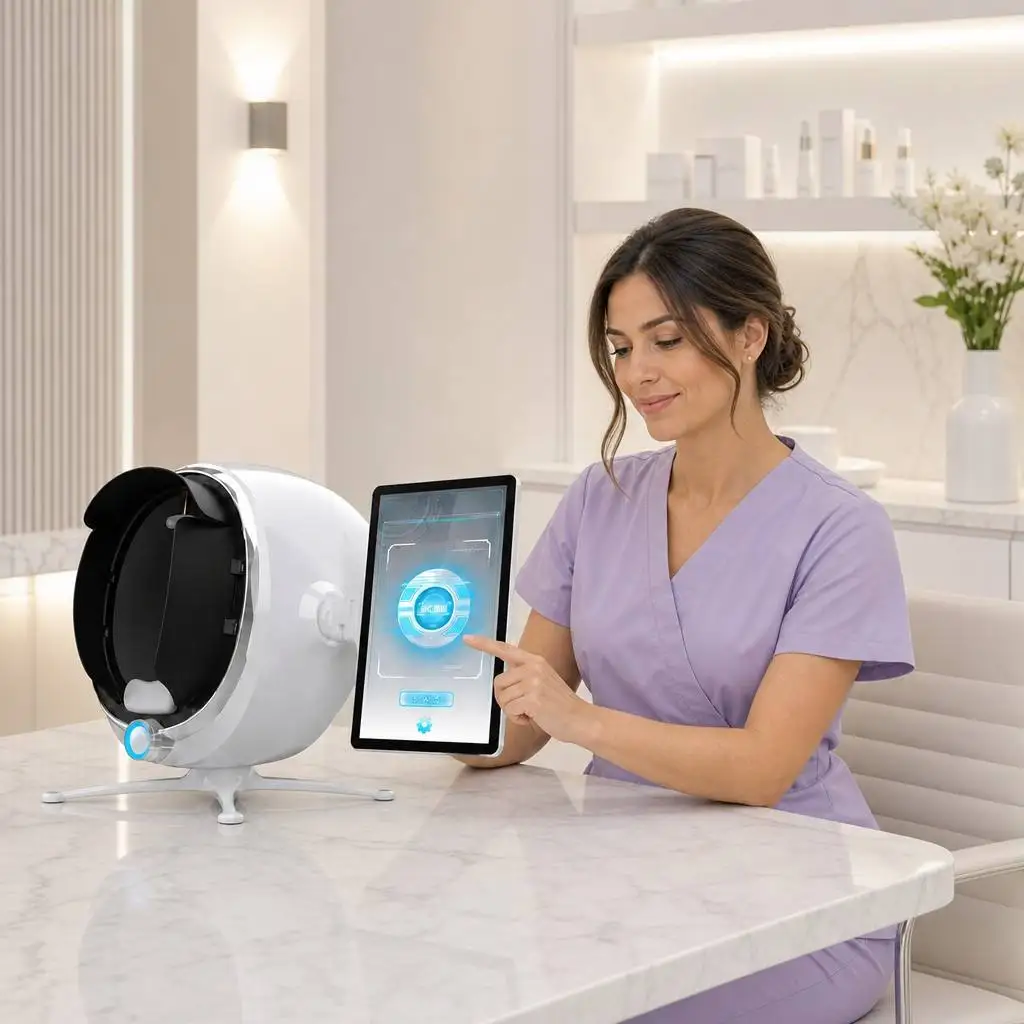
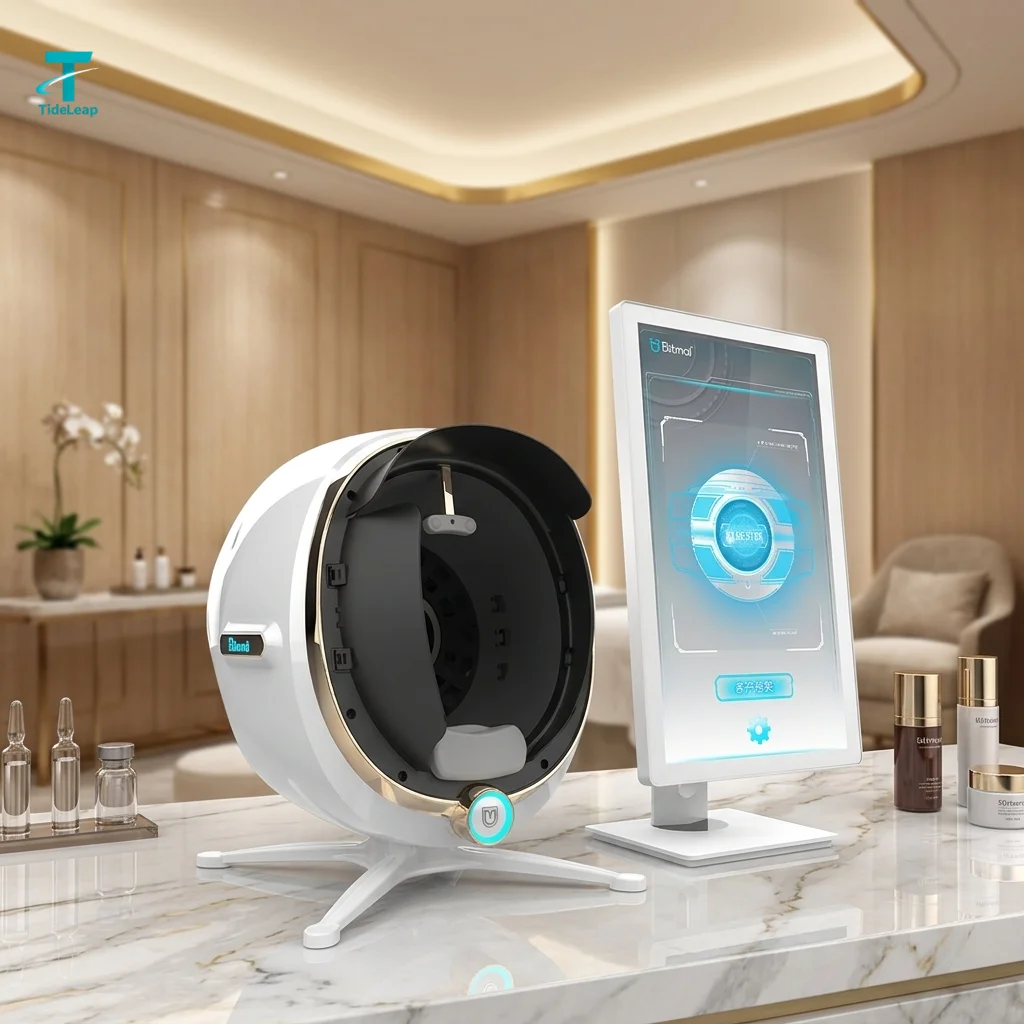
Digital skin analyzers use cameras, lighting systems and software to capture and review visible skin characteristics.
1.How It Works
Technology, configuration and operating procedures vary by device. Review the manufacturer specifications, intended use and professional guidance before treatment.
2.Types of Devices
- Home-use devices for personal routines
- Professional systems for clinics, salons and spas
- Multi-function platforms with interchangeable handpieces
3.What to Look For
- Technology, output and treatment area
- Safety features, certifications and operator training
- Maintenance, service support and included accessories
Safety first: Verify certifications, operating instructions and user suitability before treatment. Professional devices should be operated by trained personnel.
4.Devices in This Category
Explore 35 devices in Skin Analysis. Specifications are compiled from source listings and may vary by configuration.
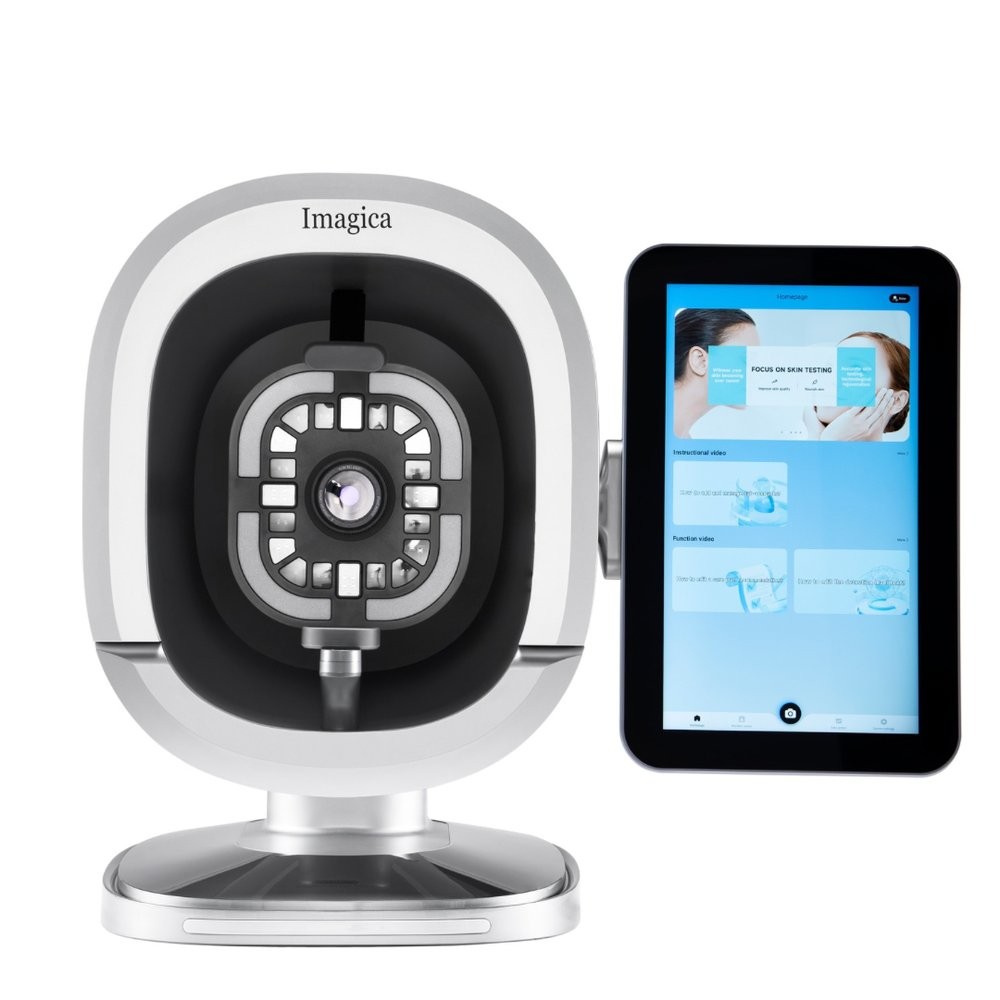
FDA: unverified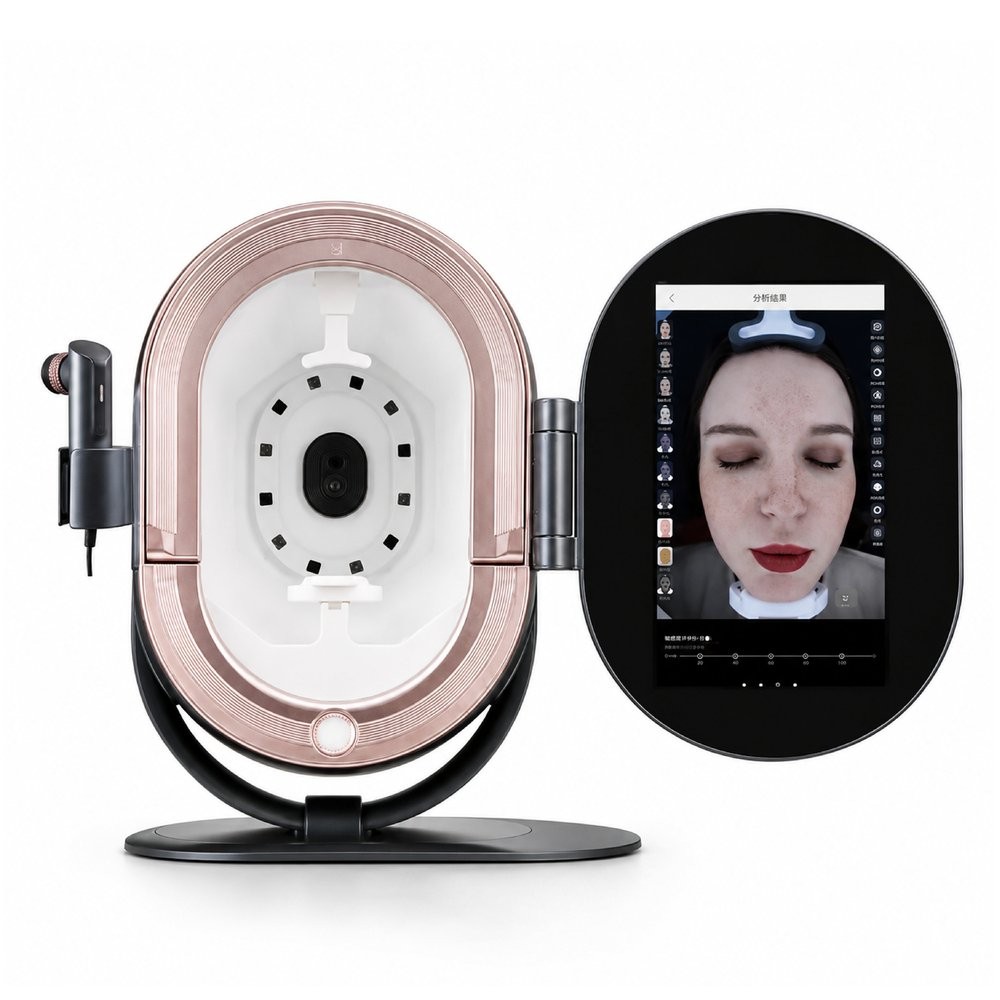
Skin Analysis
Theiora Skin Analysis System
FDA: unverified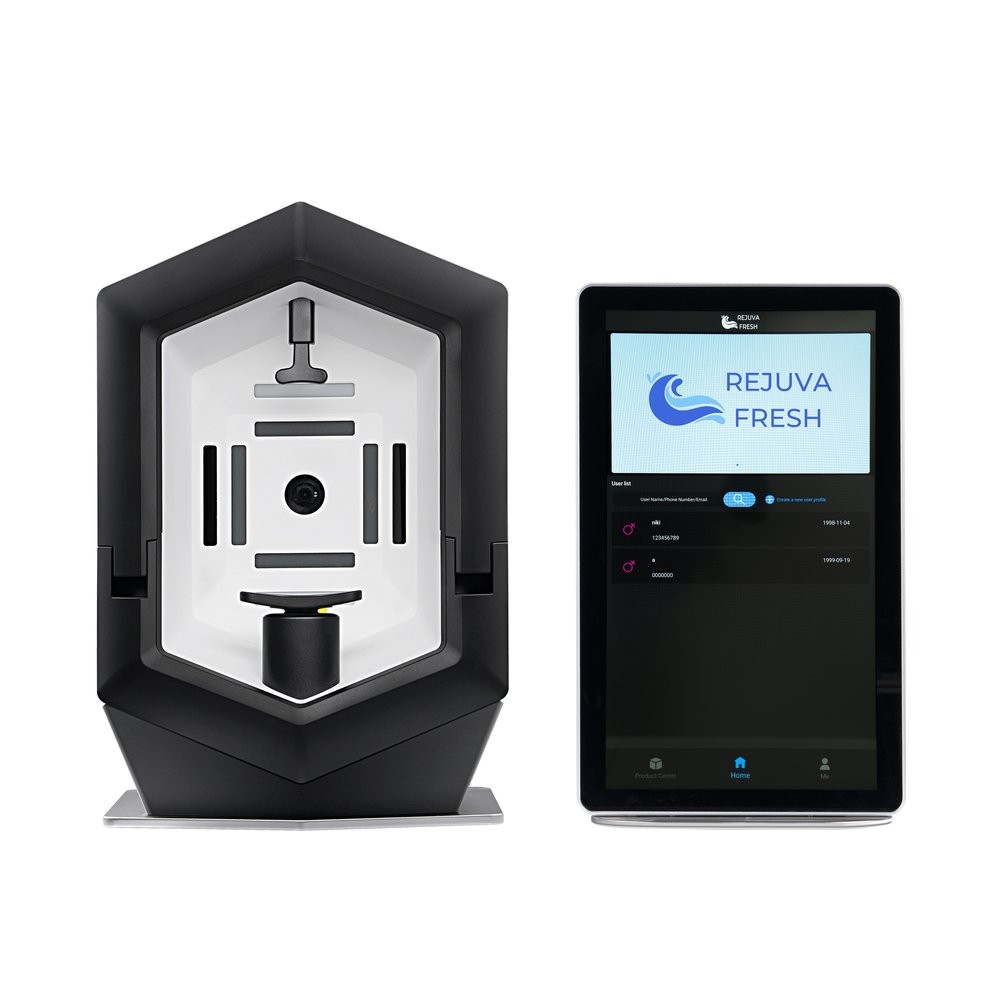
Skin Analysis
Audit-Face Skin Analysis System
FDA: unverified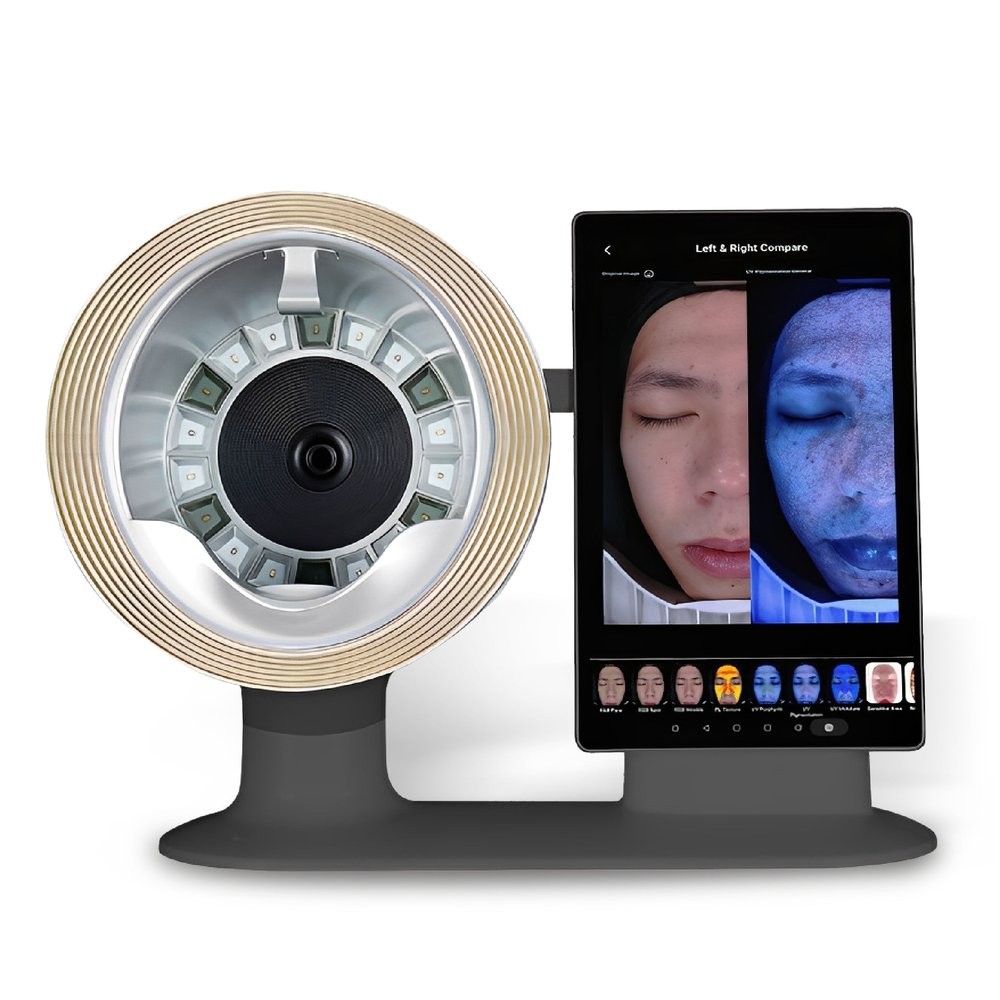
Skin Analysis
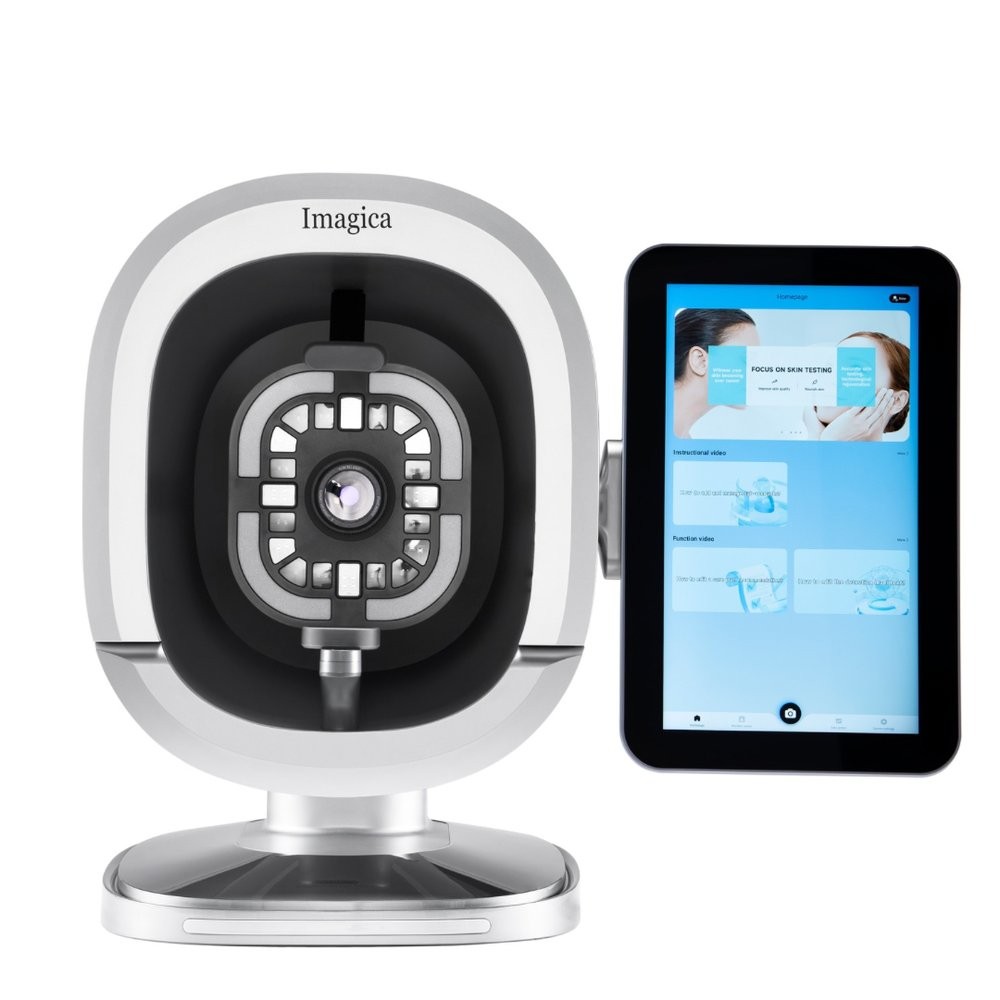
DermaScope AI Skin Analysis System
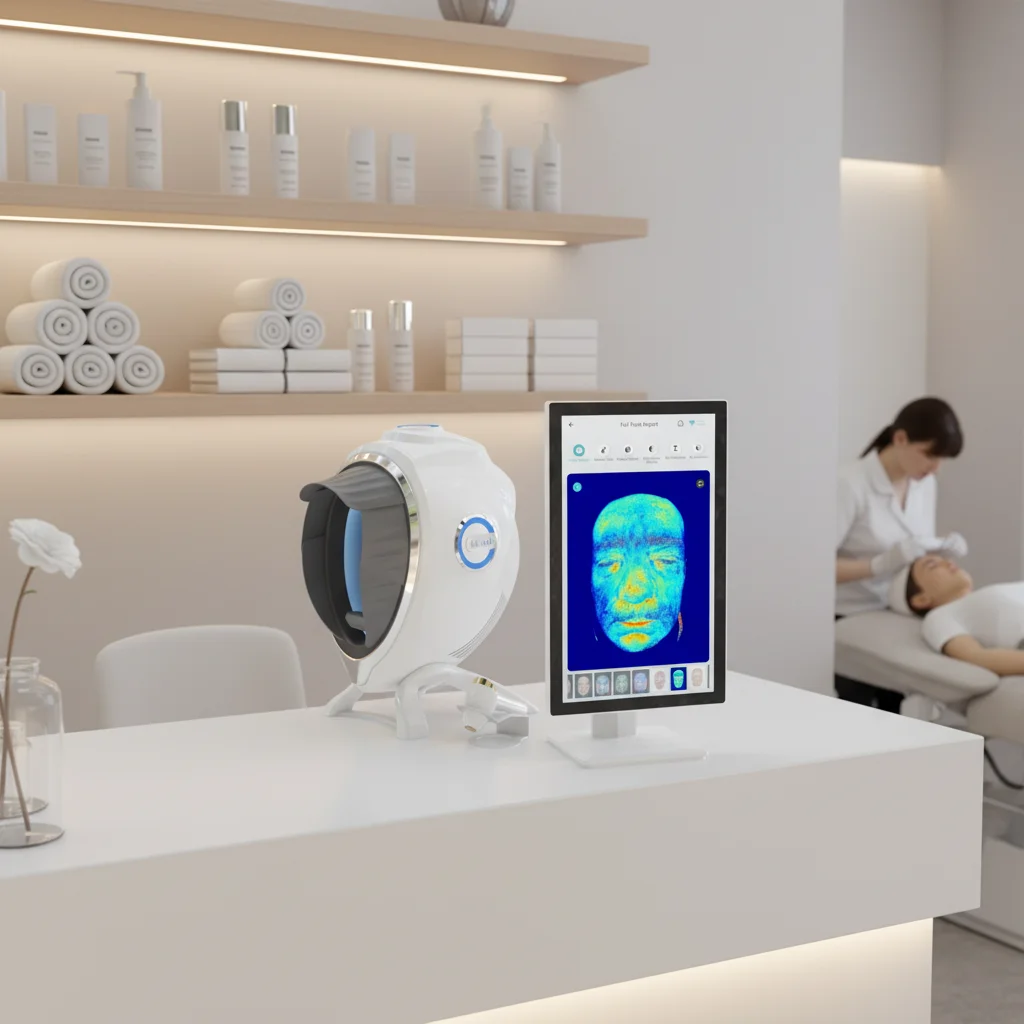
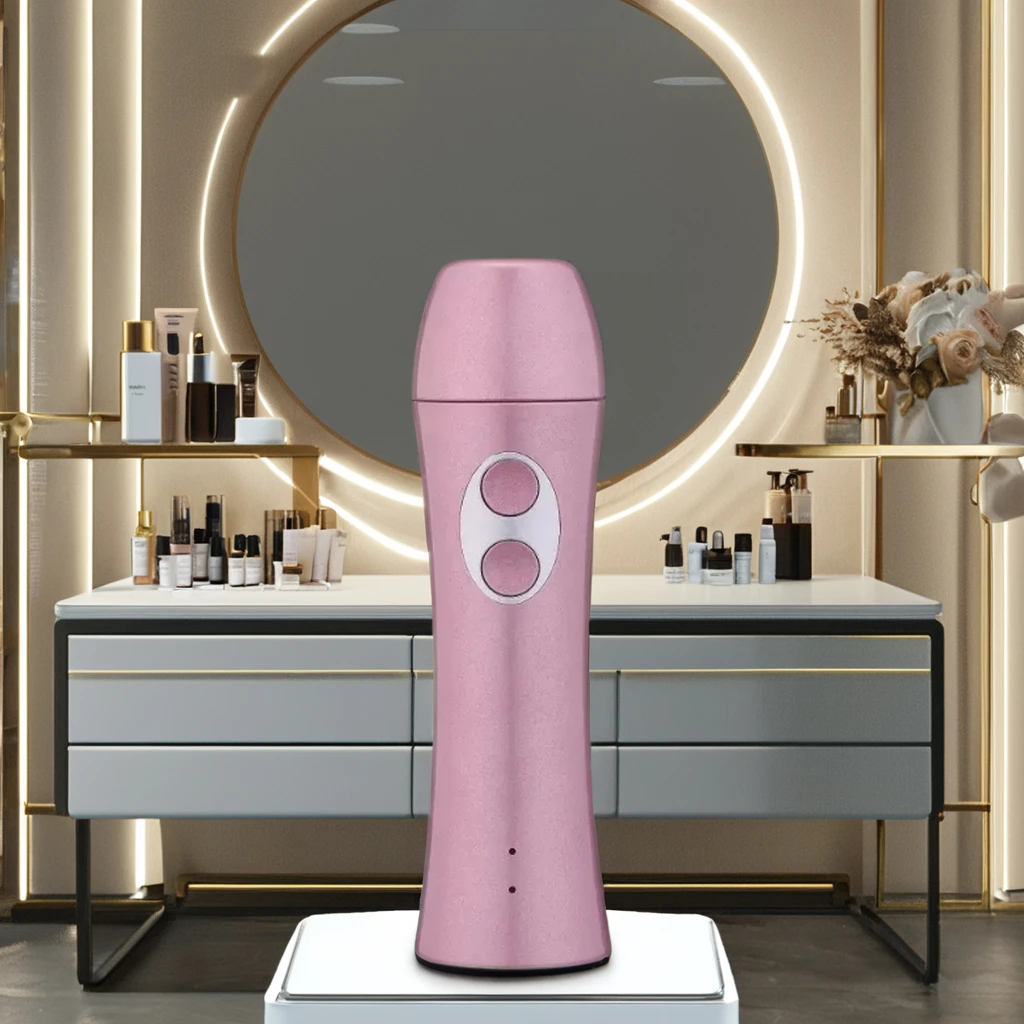
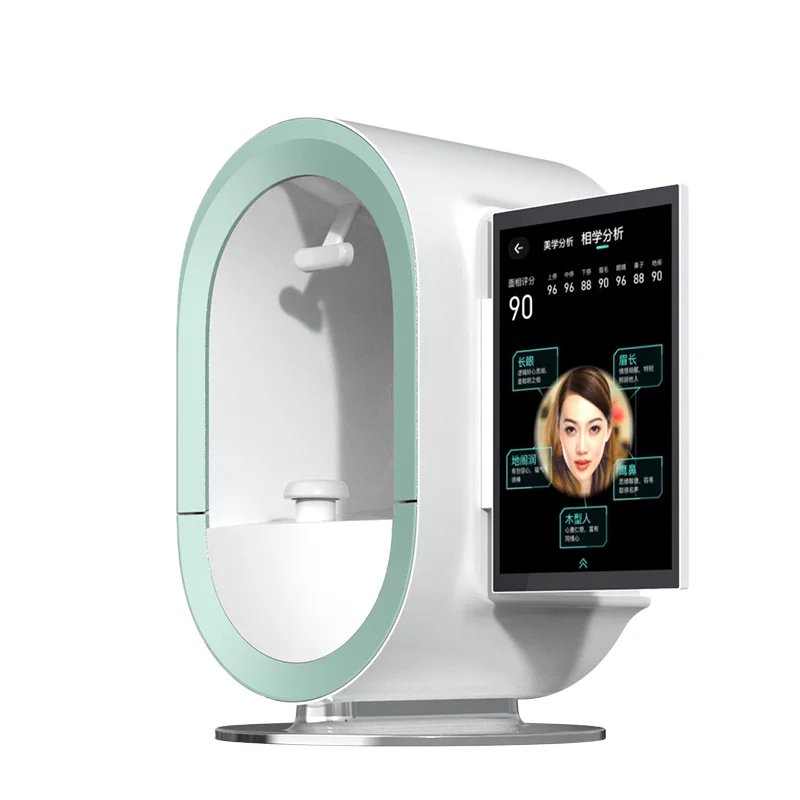

5.Frequently Asked Questions
What should I look for in Skin Analysis devices?+
Compare the technology, specifications, safety features, intended use and after-sales support. Confirm the final configuration with a qualified supplier.
Why do medspas need skin analysis before treatment?+
Skin analysis before any treatment serves three critical functions: (1) **Baseline documentation** — establishing objective pre-treatment skin condition protects both the client and the clinic by creating measurable reference points for outcome evaluation. (2) **Risk identification** — hidden concerns like subclinical inflammation, concealed pigmentation, or compromised barrier function can be detected before they become adverse events. (3) **Trust and conversion** — when clients see their skin mapped in high resolution, they understand *why* specific treatments are recommended. Industry data from skin analysis device vendors reports consultation-to-booking conversion rates of 60–80% when objective imaging is used versus 30–40% with verbal assessment alone. In short: you cannot treat what you cannot measure.
**Evidence source:** Multiple medspa business consultants and device manufacturers (Imagica, Zemits, Spectra) cite conversion rate improvements as a primary ROI driver for skin analysis investment.
Are these devices suitable for everyone?+
Suitability depends on the device and the individual. Review the manufacturer guidance and consult a qualified professional before treatment.
What is the difference between UV, polarized, and Wood's light analysis?+
Each lighting mode reveals a different skin layer or concern category:
**UV Light (Wood's lamp)** — Ultraviolet light (typically 365nm) causes certain skin components to fluoresce. Melanin appears darker, porphyrins (bacterial waste) glow orange-red, and fungal infections show characteristic colors. It excels at detecting early sun damage, subclinical pigmentation, and microbial overgrowth invisible to the naked eye.
**Parallel-Polarized Light** — Eliminates surface reflections to reveal the skin's texture topography: fine lines, roughness, comedones, and scarring. Best for evaluating surface integrity and pore structure.
**Cross-Polarized Light** — Suppresses surface glare to penetrate deeper, revealing subsurface vascularity, redness, rosacea-prone areas, and inflammatory patterns beneath the epidermis.
**White/Natural Light** — Standard clinical photography baseline for overall tone,hydration, and visible concerns.
Multi-spectral analyzers (e.g., VisagePro AI with 8 modes, DermaScope AI with 10 modes, Imagica AI with 5 SmartFlash modes) combine all of these in one scan, giving practitioners a complete picture that no single light mode can provide alone.
**Evidence source:** Dermatology literature on Wood's lamp examination; device manufacturer specifications for spectral mode descriptions.
How does AI skin analysis improve consultation conversion?+
AI skin analysis systems improve consultation conversion through three mechanisms:
**1. Quantification removes subjectivity** — Instead of saying "you have some sun damage," AI reports display scores (e.g., a UV damage index of 73/100) that make the concern concrete and impossible to dismiss. Clients who see a number are far more likely to commit to a treatment plan.
**2. Visual comparison drives emotional engagement** — Before/after imaging across the treatment journey shows clients exactly what has improved, reinforcing the value of continued sessions and upselling add-on treatments. The Imagica II AI, Zemits VeraFace, and DermaScope AI all include built-in progress tracking reports.
**3. Built-in recommendation engines reduce consultation time** — AI systems match detected concerns to a recommended treatment menu automatically. Staff spend less time explaining *why* a treatment is needed and more time discussing *which package* to book. Zemits VeraFace notably markets its 12-factor scan as a "15-second consultation conversion" tool.
Practices that implement AI skin analysis report higher average ticket sizes because recommendations are guided by data rather than practitioner intuition or product bias.
**Evidence source:** Device manufacturer marketing materials (Zemits VeraFace lede; Imagica II marketing copy); industry medspa consultant reports on consultation ROI.
InBody vs skin analyzers: which should a medspa buy first?+
For most medspas entering the diagnostics category, a **skin analyzer should be purchased first**. Here's the reasoning:
**Skin analyzers have higher consultation conversion ROI** — Visual skin imaging (wrinkles, pigmentation, acne, redness) is immediately relatable to any client seeking facial or skin treatments, which represent the majority of medspa revenue. InBody body composition data is primarily relevant for clients interested in weight management, body contouring, or metabolic wellness programs.
**Space and operational simplicity** — Skin analyzers are desktop or tablet-sized units (e.g., VisagePro AI's 15.6" foldable touchscreen, DermaScope AI's compact form factor) that require minimal space. InBody devices are standing-scale units requiring a dedicated floor space with proper grounding and calibration.
**Broader client applicability** — Almost every facial client benefits from seeing their skin under polarized, UV, and Wood's light. InBody data is only actionable for a subset of your client base.
**Exception:** If your medspa has a strong medical weight-loss or body transformation program, InBody devices (particularly the InBody 970S as a flagship research-grade unit or the InBody 380 for clinical-grade body composition) can be a justified first purchase because outcome documentation in weight-loss programs is a compliance and retention driver.
**Evidence source:** InBody and skin analyzer product descriptions on beautyuse.wiki; general medspa operational guidance.
How many clients can a skin analyzer process per day?+
A well-run skin analysis station can process **20–40 clients per day** depending on the device and workflow:
**Per-scan time by device type:**
- Fast AI scanners (Zemits VeraFace): ~15-second scan, 5–10 minutes per consultation including review
- Multi-spectral analyzers (Imagica AI, Imagica II AI): 2–5 minutes scan, 10–15 minutes per consultation
- Manual magnified systems (Moor Spa 50X): 10–15 minutes per consultation
- Moisture analyzers (Bio-Therapeutic bt-analyze): Under 2 minutes per client per probe point
**Workflow bottleneck** — The device itself is rarely the limit; the bottleneck is consultation time with the practitioner. A dedicated skin analysis station staffed by a technician who operates the device while the clinician reviews results can achieve 25–35 scans/day. Without dedicated staffing, expect 10–20 scans/day.
**InBody devices** (970S, 270S, 380): Each InBody scan takes approximately 30–45 seconds plus 5–10 minutes for results review. With dedicated staff, 30–50 body composition scans/day is achievable.
**Throughput tip:** Use the scan time productively — have the technician capture multiple imaging modes while the client completes intake forms, effectively eliminating idle device time.
**Evidence source:** Device manufacturer specifications; industry throughput estimates from skin analysis device vendors.