Astralis™ Nd Yag Picosecond Laser System
Professional Laser Device for Tattoos, Pigments, Carbon Peel and More The Astralis™ Nd: YAG Picosecond Laser System is a professional-grade laser device for beauty salons looking to diversify their portfolio of popular laser services such as tattoo removal, pe
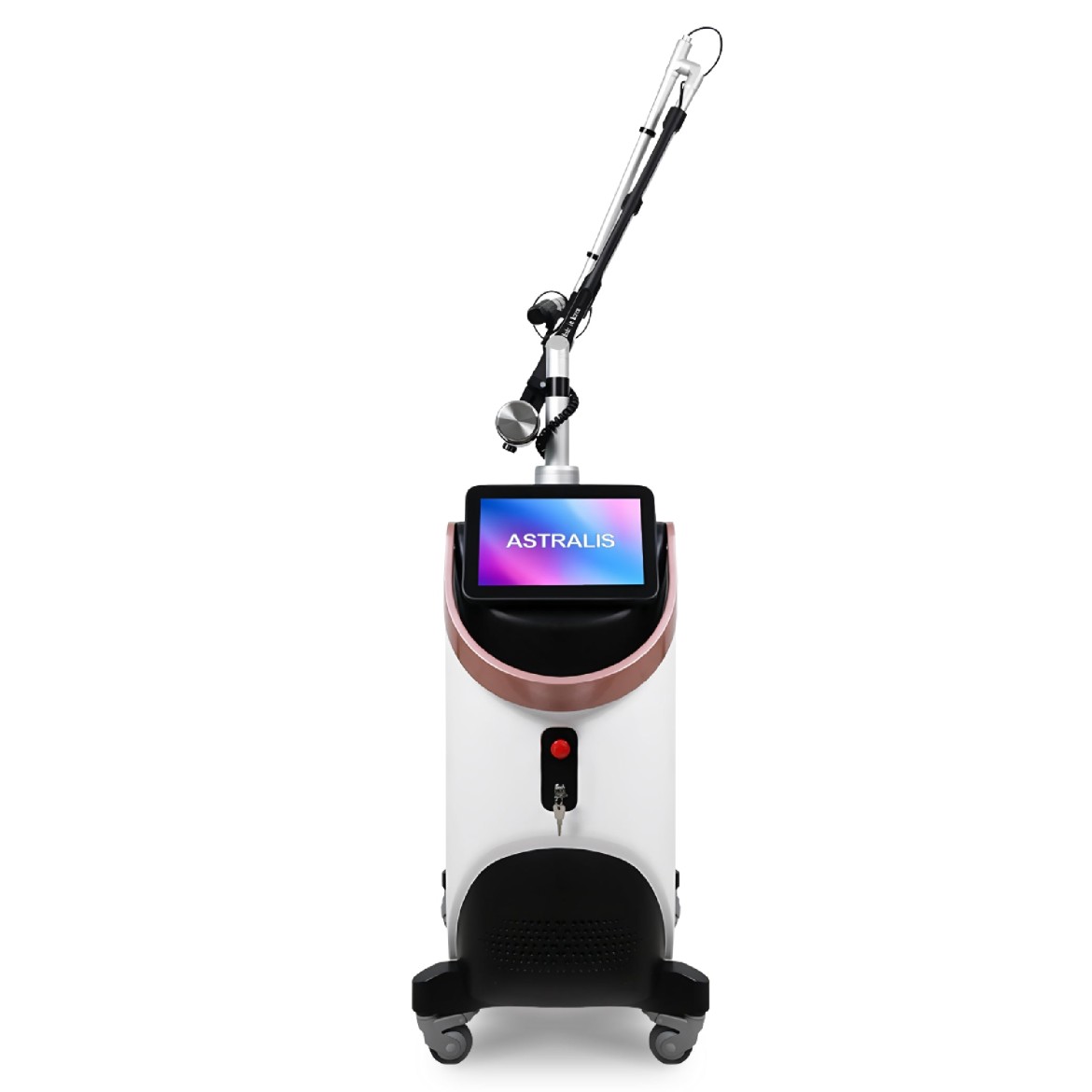
1.What It Is
As a highly efficient, safe, and professional-grade picosecond device, the Astralis Nd Yag Picosecond Laser Machine is especially designed to reduce hyperpigmentation and rejuvenate the skin.
2.How It Works
It uses Nd: YAG short laser pulses that are absorbed by pigment particles under the skin, breaking them into smaller fragments with minimal impact on surrounding tissue. It offers 532 nm and 1064 nm w
4.Who It's For
It is intended for beauty salon owners and specialists who want to diversify their service portfolio with multiple laser treatment categories, including tattoo and pigment removal and carbon peel faci
Important: This device page is informational. Verify certifications, operator training, and suitability with a qualified professional before treatment.
5.Frequently Asked Questions
What makes the Astralis Picosecond Laser different for salons?+
Astralis is an Nd:YAG picosecond laser with 532nm and 1064nm wavelengths, purpose-built by Astralis™ as a professional-grade device for beauty salons expanding into laser services. Its differentiator is positioning as a complete modal shift in a single investment: it covers tattoo removal, pigment reduction, hyperpigmentation treatment, and carbon peel facials, giving salons multiple revenue streams from one device. The picosecond pulse duration produces a photoacoustic (rather than purely photothermal) effect, which fragments pigment with less collateral heating — important for salons that want strong results without complex aftercare protocols.
What protocols does the Astralis support for tattoos, pigment, and carbon peel?+
For tattoo removal, use 1064nm for black and dark blue inks and 532nm for red, orange, and yellow pigments. Standard protocol: 6–10 sessions for black tattoos, 8–12 for colored, spaced 6–8 weeks apart. For hyperpigmentation and pigment reduction, shorter courses of 2–4 sessions at 2–4 week intervals are typical. The carbon peel facial uses the 1064nm wavelength with a carbon lotion mask — the laser energy is absorbed by the carbon particles, exfoliating the epidermis and stimulating collagen. Astralis's dual-wavelength design allows salons to offer all three service categories with one device and a single training investment.
Is the Astralis Picosecond Laser safe for all skin types?+
Astralis's 1064nm wavelength is appropriate for Fitzpatrick IV–VI skin; avoid 532nm on melanin-rich skin. The picosecond pulse duration reduces thermal load compared to nanosecond systems, which is generally favorable for darker skin, but operator technique remains the dominant safety factor. Use conservative fluences, aggressive surface cooling, and extended inter-session intervals (8–10 weeks) for dark skin. Contraindications: active infection, pregnancy, photosensitivity disorders, recent Accutane, and tanned skin. Perform a test patch before full treatment.
Is the Astralis Picosecond Laser FDA cleared?+
The product listing for Astralis does not state FDA clearance or any other regulatory approval — the fda_key, fda_label, and fda_tone fields are empty. ⚠️ FLAG: Regulatory status is unconfirmed for this device. Buyers targeting regulated markets (US, EU, Canada, Australia) should request regulatory documentation from the supplier before purchase. The claim of "professional-grade" and "highly efficient, safe" in the listing is marketing language, not regulatory certification.
6.Similar Devices
FDA: unverified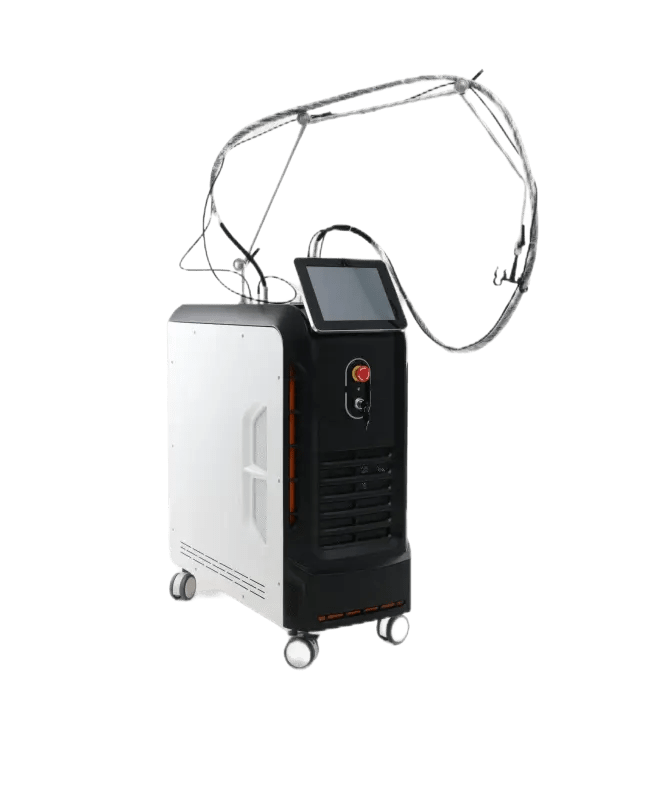
Tattoo Removal Lasers
Q‐Switched Nd:YAG Tattoo Removal Machine | Lefis
FDA: unverified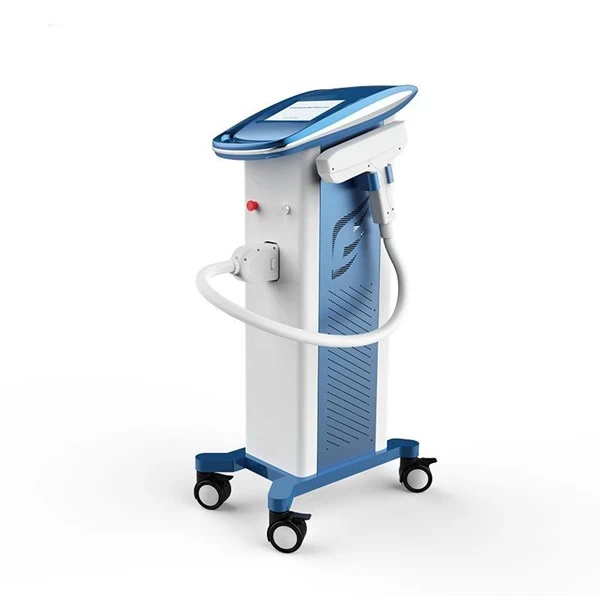
Tattoo Removal Lasers
Vertical Q-Switched Nd:YAG Laser Tattoo Removal Machine
FDA: unverified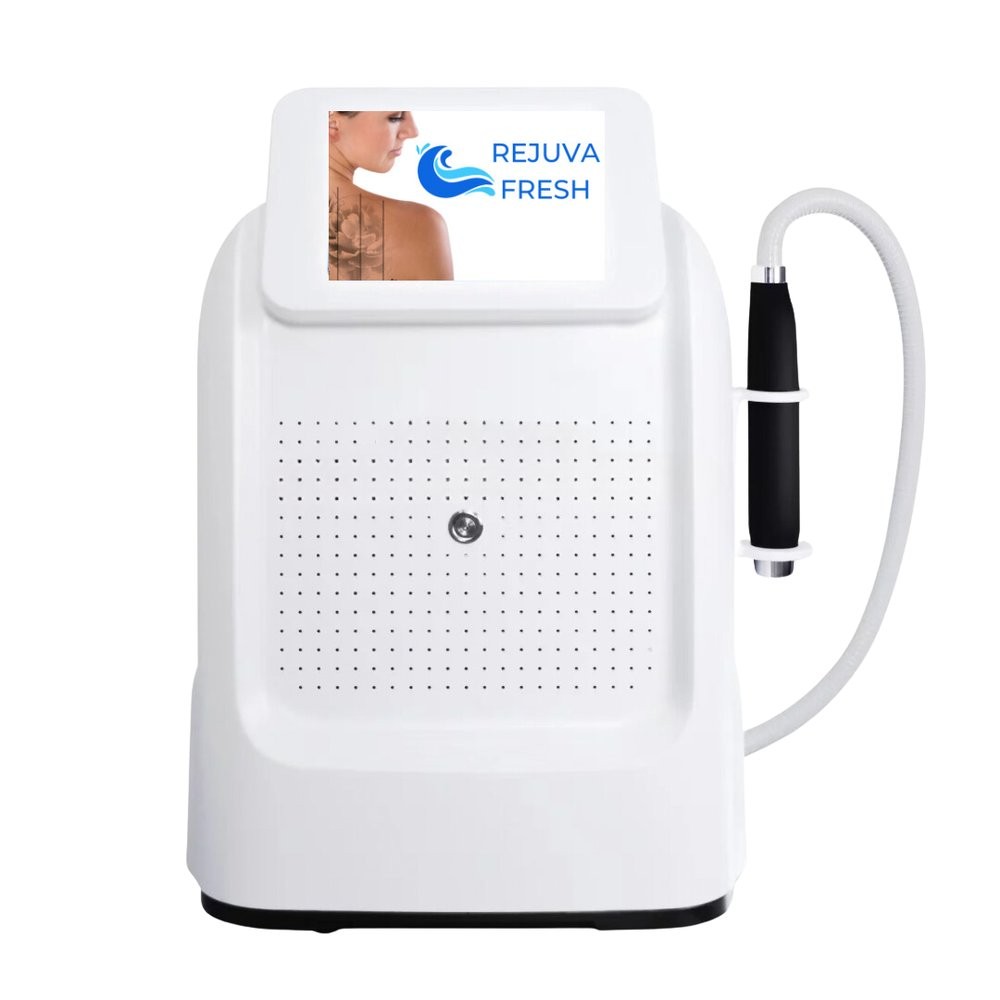
Tattoo Removal Lasers