Dynamic 4 Wave Nano-Erase Tattoo Removal Laser Machine
The Dynamic 4 Wave Nano-Erase Laser Machine utilizes nanosecond technology and high-energy lasers to swiftly and painlessly remove tattoos and pigments, requiring fewer treatments than other systems available. This high energy nanosecond laser efficiently deli
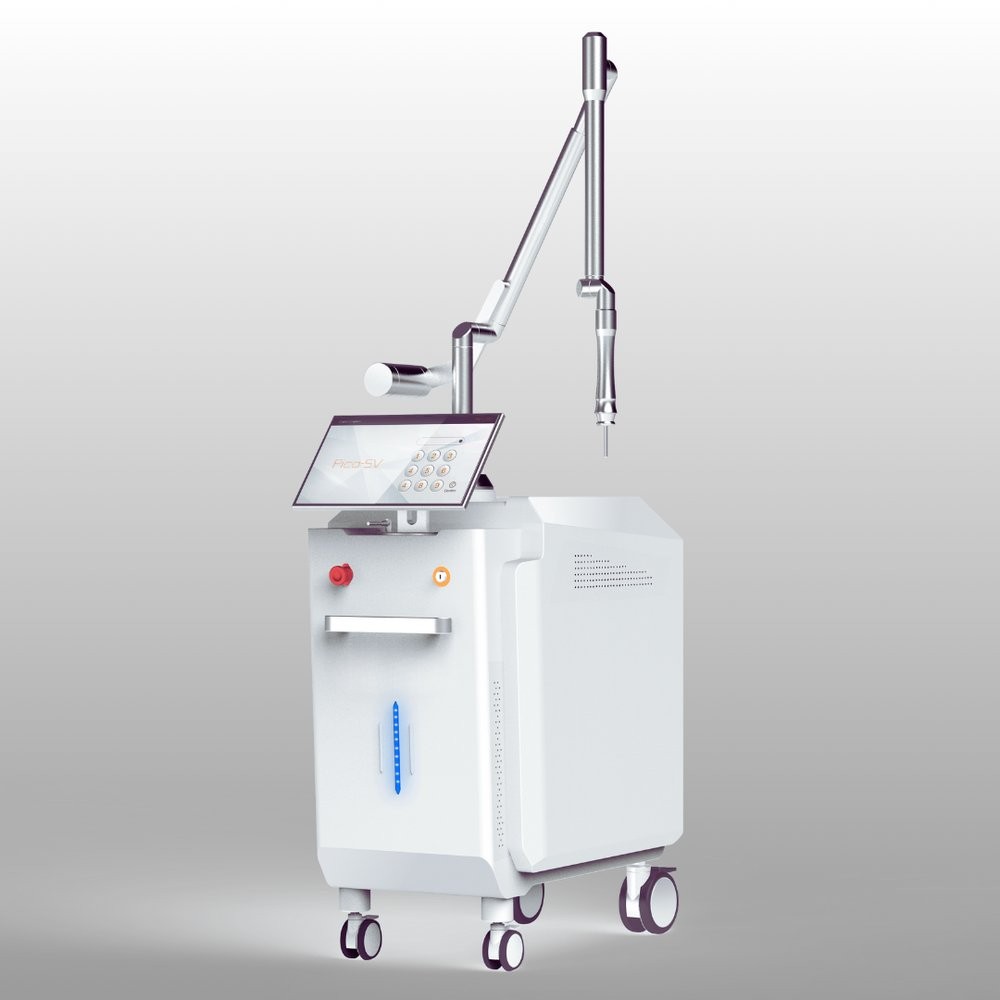
1.What It Is
A nanosecond laser system for removing tattoos and pigmentation, using four wavelengths to treat all ink colors and pigment types with fewer sessions than other systems.
2.How It Works
It emits ultra-short, high-energy bursts that shatter ink particles into fragments cleared by the body, sparing surrounding tissue; peak energies are 1064nm 1200mJ and 532nm 600mJ, with Android softwa
4.Who It's For
Suited to laser clinics, aesthetic practitioners and tattoo-removal providers treating clients for tattoos, melasma, age spots, freckles, acne-related redness and fine lines.
Important: This device page is informational. Verify certifications, operator training, and suitability with a qualified professional before treatment.
5.Frequently Asked Questions
What is the Dynamic 4 Wave Nano-Erase and what makes it different?+
The Dynamic 4 Wave Nano-Erase is a **four-wavelength nanosecond** laser for tattoo and pigment removal — and its distinguishing feature is wavelength coverage that addresses the ink colors most systems struggle with.
**Key differentiators:**
- **Four wavelengths** rather than the two (1064/532nm) found on most Q-switched Nd:YAG units. The extra wavelengths extend coverage to **green and blue inks**, which are notoriously resistant to standard 1064/532nm systems
- **High peak energies:** 1064nm at 1200 mJ and 532nm at 600 mJ
- **Nanosecond pulses** that shatter ink particles into fragments the body clears naturally, sparing surrounding tissue
- **Android-based operating software** — a modern touchscreen control layer rather than legacy embedded UI
- **Fewer sessions claimed** than other systems, attributed to the higher energy and broader wavelength coverage
**Beyond tattoos, it also treats:** melasma, age spots, freckles, acne-related redness, and fine lines — making it a pigment platform rather than a tattoo-only device.
**Why four wavelengths matter commercially:** Green and blue tattoos are a common reason clients are told 'this can't be fully removed.' A four-wavelength system lets a clinic accept cases competitors decline — a genuine service differentiator, not just a spec-sheet number.
**Confidence:** High — four wavelengths, peak energies (1200 mJ / 600 mJ), nanosecond technology, and Android software are all stated in the product data. The 'fewer sessions' claim is manufacturer marketing and is unverified.
**Evidence source:** Product listing `dynamic-4-wave-pico-erase-tattoo-removal-laser-machine` (id=721), BeautyUse.wiki device database.
What treatment protocol does the Dynamic 4 Wave use for multi-colored tattoos?+
The Dynamic 4 Wave's value shows most clearly on multi-colored tattoos, where wavelength selection per ink color determines outcome. A structured approach:
**Sequenced wavelength plan for mixed-color tattoos:**
1. **Start with 1064nm** for the black/dark-blue base layer — it is the highest-energy mode (1200 mJ) and dark inks usually sit deepest
2. **Then 532nm** for red, orange, and yellow components (600 mJ peak)
3. **Use the additional wavelengths** for green and blue elements that 1064/532nm cannot address
**Session expectations:**
- Black professional tattoos: 6–10 sessions
- Multi-color tattoos: 8–12+ sessions, with warm and green/blue portions typically trailing the black layer by several sessions
- Intervals of **6–8 weeks** between sessions
**Practical sequencing tip:** Do not attempt all colors in one session. Treat one ink family per session where practical — it reduces total epidermal insult per visit, makes it clearer which colors are responding, and gives you a defensible answer when a client asks why progress on the green section looks slower.
**Darker skin types (Fitzpatrick IV–VI):** restrict to longer-wavelength modes, use conservative fluence, and extend intervals.
**Confidence:** Medium — the wavelength coverage and peak energies are confirmed from product data; session counts and sequencing are standard clinical practice, not manufacturer-published protocols.
**Evidence source:** Product listing `dynamic-4-wave-pico-erase-tattoo-removal-laser-machine` (id=721) plus standard multi-color tattoo laser practice.
Which pigments beyond tattoos can the Dynamic 4 Wave treat?+
The Dynamic 4 Wave Nano-Erase is positioned as a broader **pigment platform**, not a tattoo-only device. Its listing names these additional applications:
**Pigmentary conditions:**
- **Melasma** — requires a conservative, low-fluence, multi-session approach; aggressive settings can worsen it
- **Sunspots and age spots** — typically responsive in 1–3 sessions
- **Freckles** — generally responsive in 1–2 sessions
- **Pigmented lesions** — assess for malignancy before treating any lesion
**Non-pigment applications:**
- **Acne-related redness** — the vascular component can respond to laser, though dedicated vascular wavelengths are usually more effective
- **Fine lines** — via laser-induced collagen stimulation, generally with modest and gradual results
**Clinical caution:** Melasma deserves particular care. It is a chronic, hormonally influenced condition and laser is an adjunct, not a cure. Over-treatment causes rebound hyperpigmentation, so set client expectations for maintenance rather than resolution. Any suspicious pigmented lesion should be reviewed by a dermatologist before laser is considered.
**Confidence:** Medium-High — the treated conditions are listed in the product data; the clinical caveats reflect standard dermatologic practice rather than device-specific claims.
**Evidence source:** Product listing `dynamic-4-wave-pico-erase-tattoo-removal-laser-machine` (id=721), `who_for` and `lede` fields.
Is the Dynamic 4 Wave FDA cleared?+
FDA status for the Dynamic 4 Wave Nano-Erase is **not stated in the product listing** — the `fda_key`, `fda_label`, and `fda_tone` fields are all empty, and unlike some other devices in this category, the listing makes **no FDA or CE claim in its description either**.
⚠️ **FLAG — procurement verification required:**
What this means practically:
- The absence of a claim is not evidence of absence of clearance — but it also means **nothing is verified**. A device marketed without a regulatory claim should be treated as unverified until documentation is produced.
- Multi-wavelength Q-switched systems are typically Class II devices in the US and generally require **510(k) clearance** for tattoo removal and pigment-treatment indications.
- **Wavelength count does not imply clearance.** Each wavelength and indication combination needs to be covered by the clearance; a four-wavelength system may hold clearance for fewer indications than its hardware can physically deliver.
**What procurement should obtain before quoting:**
1. **510(k) number** and clearance letter naming this model
2. Confirmation that cleared indications include **tattoo removal** (and separately, any pigment-treatment claims)
3. **CE marking** documentation if selling into the EU
4. Manufacturer's **FDA establishment registration**
5. A **signed regulatory status letter** from the supplier
**Confidence:** Low on regulatory status (absent from listing); High that no regulatory claim appears anywhere in the product data.
**Evidence source:** Product listing `dynamic-4-wave-pico-erase-tattoo-removal-laser-machine` (id=721) — all three `fda_*` fields empty; no clearance claim in `lede`, `what_it_is`, `how_it_works`, or `who_for`.
6.Similar Devices
FDA: unverified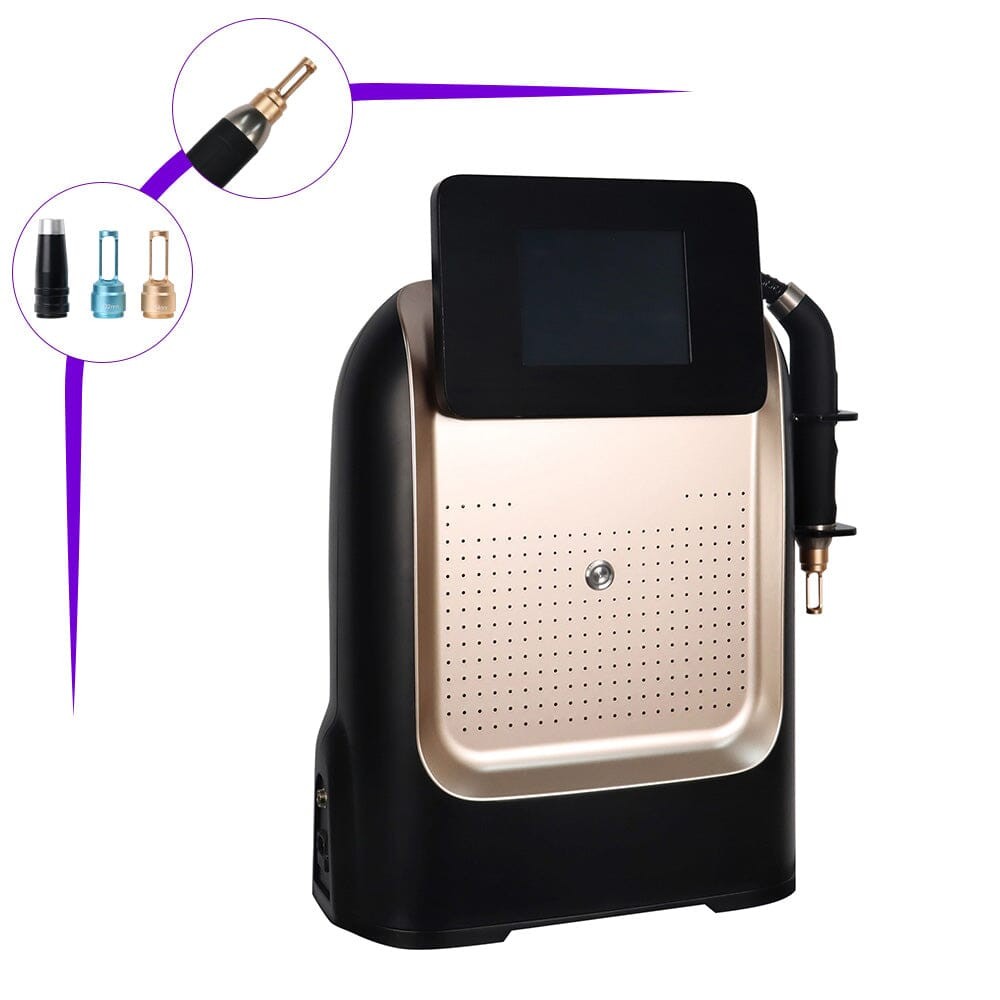
Tattoo Removal Lasers
BRÜUN 3-in-1 Picosecond Laser Machine with Laser Head for Tattoo
FDA: unverified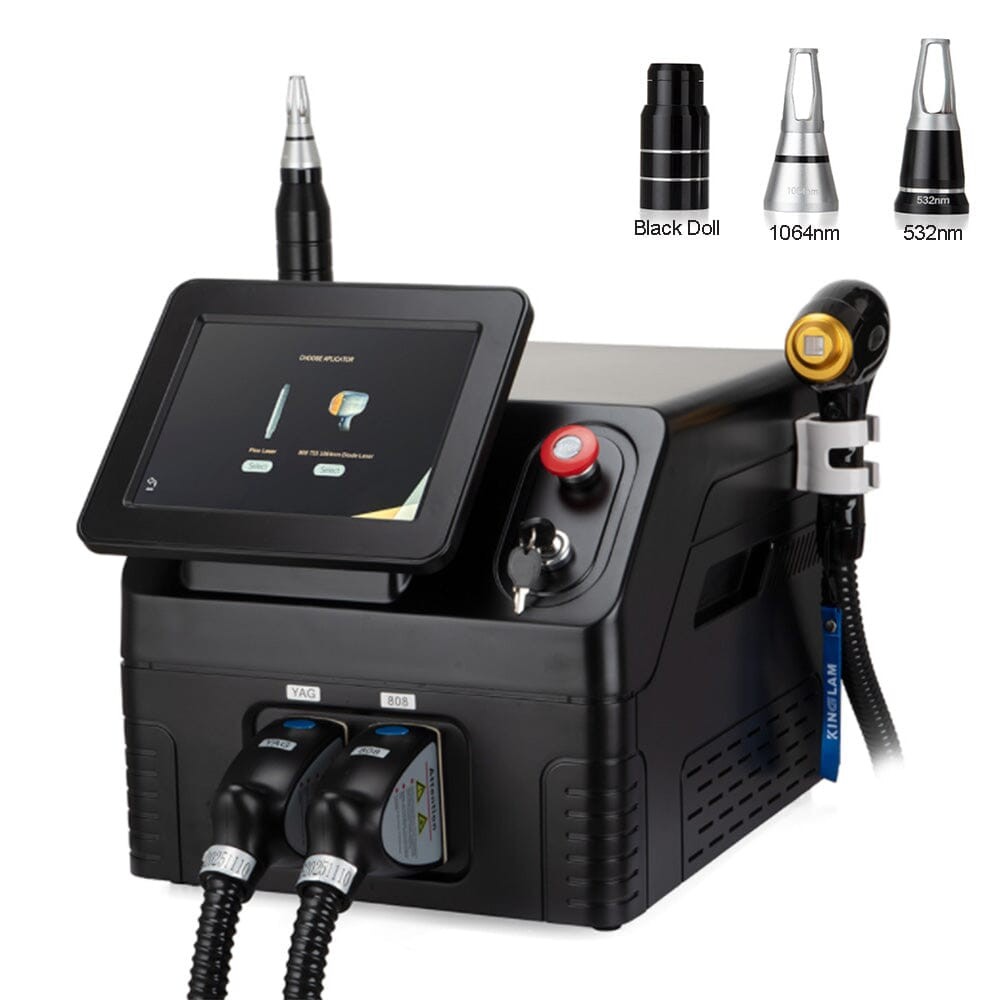
Tattoo Removal Lasers
BRÜUN 2-In-1 Picosecond 808 Diode Hair & Tattoo Removal Machine
FDA: unverified
Tattoo Removal Lasers