Zemits ElastiStrom
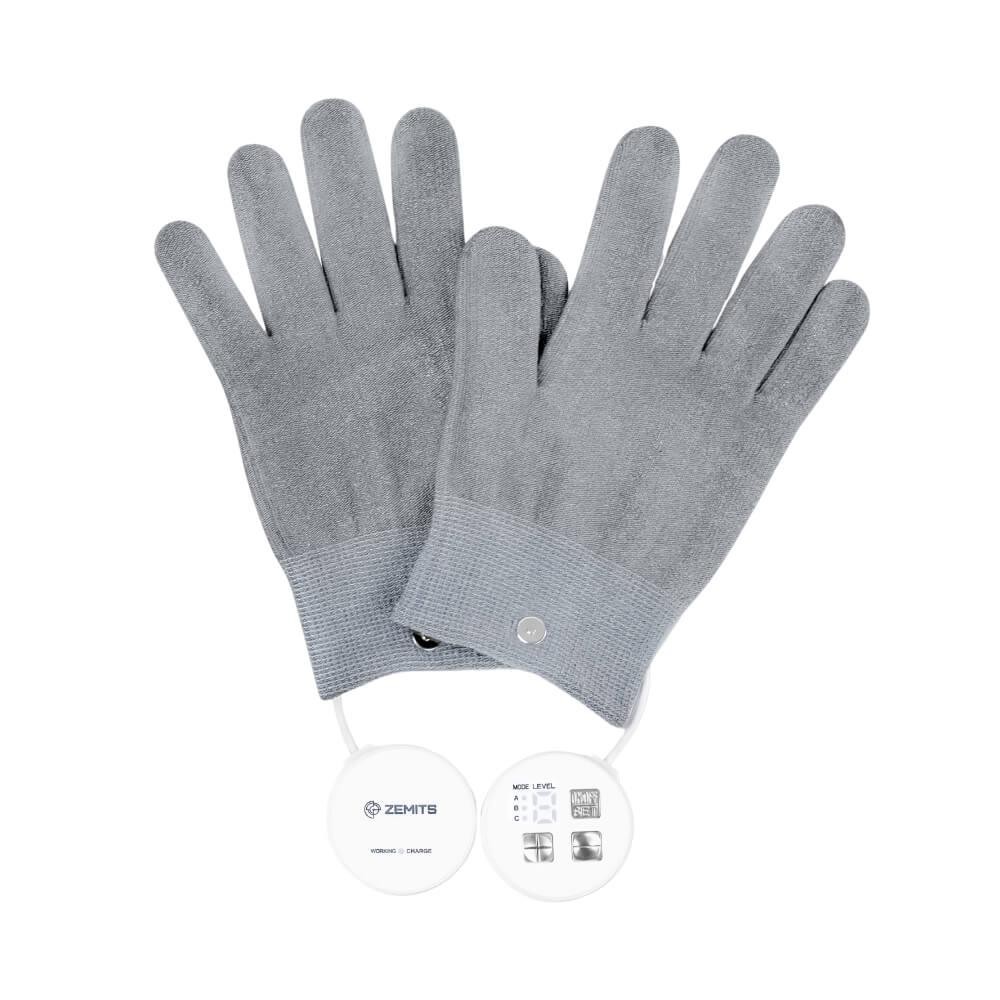
The one of a kind Portable Microcurrent Skin Toning Gloves Device Zemits ElastiStrom is the Synergy of Microcurrent Face Lift Technology and Manual Sculpting Massage, crafted for aestheticians and massage therapists advanced face and body practice. ⭐THE NEWES
1.What It Is
A portable microcurrent skin-tightening device built into wearable gloves, combining microcurrent face-lift technology with manual sculpting massage.
2.How It Works
The entire system is worn on the hands with no machine, probes, or multiple cords, delivering smart electrical current through the gloves during customized massage techniques.
4.Who It's For
Aestheticians and massage therapists performing advanced face and body treatments.
Important: This device page is informational. Verify certifications, operator training, and suitability with a qualified professional before treatment.
5.Frequently Asked Questions
What is the Zemits ElastiStrom and what does it treat?+
The Zemits ElastiStrom is a portable microcurrent skin-tightening device built into wearable gloves. It combines microcurrent face-lift technology with manual sculpting massage in a single system: the operator wears the gloves, so there is no machine cabinet, no probes and no multiple cords. The listing positions it as the newest generation of microcurrent skin-toning glove technology, aimed at aestheticians and massage therapists with an advanced face and body practice.
**Key points:**
- Modality: microcurrent delivered through gloves rather than hand-held probes.
- Form factor: the entire system is worn on the hands - no machine, probes or multiple cords, per the listing.
- Dual mechanism: electrical microcurrent plus manual sculpting massage performed simultaneously.
- Positioning: professional use by aestheticians and massage therapists for advanced face and body treatments.
- It sits at the low-risk end of this category - microcurrent is non-ablative, so it complements rather than competes with HIFU or fractional RF in a clinic menu.
**Business case:** A gloves-only system has no footprint in the treatment room and no capital-heavy installation, so it is the lowest-barrier microcurrent entry point for a massage-led practice that wants to add a face-lift service without buying a cabinet device or retraining an operator on a probe-based console.
**Confidence:** High - mechanism, form factor, dual action and target practitioner are all stated explicitly in the product record.
**Evidence source:** Product listing `zemits-elastistrom` (id=1148), fields: lede, what_it_is, how_it_works, who_for.
Is the Zemits ElastiStrom FDA cleared or CE marked?+
The regulatory status of the Zemits ElastiStrom cannot be confirmed from the current product data. The structured fields `fda_key`, `fda_label` and `fda_tone` are empty, and the listing text contains no FDA clearance, CE marking or other certification claim. Neither clearance nor non-clearance can be concluded from this record.
**Key points:**
- `fda_key`, `fda_label` and `fda_tone` are all empty on the product record.
- No regulatory statement appears in the lede, what_it_is, how_it_works or who_for fields - the 'one of a kind' and 'newest technology' wording is marketing, not regulatory evidence.
- Microcurrent aesthetic devices are generally treated as Class II devices in the US and reach market via 510(k) premarket notification - so 'cleared', not 'approved', would be the correct term if a claim is made.
- For microcurrent specifically, ask whether the supplier holds a clearance for a *facial toning / skin-tightening* indication: general microcurrent clearances often cover TENS-style pain relief, not aesthetic lifting.
**⚠️ FLAG - procurement verification required.** Before purchase, obtain from the supplier: (1) the 510(k) number and the exact cleared indication wording, (2) CE marking documentation to EU MDR 2017/745 or UKCA evidence for non-US deployment, (3) a signed regulatory status letter on company letterhead for the model being purchased, (4) IEC 60601-1 electrical safety certification and the manufacturer's contraindication list for microcurrent (implanted electronic devices, pregnancy, epilepsy).
**Business case:** Microcurrent is often assumed to be 'low risk so no paperwork needed' - that assumption is what voids cover. Because glove-type devices are frequently marketed for both aesthetic and therapeutic use, the cleared indication wording is the specific document that determines whether your insurance covers the service.
**Confidence:** Low - no FDA or equivalent regulatory information of any kind is present in the product data, so no status can be stated.
**Evidence source:** Product listing `zemits-elastistrom` (id=1148), fields: fda_key, fda_label, fda_tone, lede, what_it_is, how_it_works, who_for (all regulatory fields empty).
What is the ElastiStrom treatment protocol - how many sessions and how often?+
The product record describes the glove mechanism and the massage-based workflow but publishes no session count or interval schedule. Apply the standard microcurrent protocol for this device class and confirm the exact schedule with the manufacturer: a course of 6-10 sessions, typically twice weekly for the first 3-4 weeks and then weekly, followed by monthly maintenance.
**Key points:**
- Course: 6-10 sessions is the standard microcurrent course; visible lifting is cumulative and requires frequency early in the programme.
- Frequency: twice weekly for the first 3-4 weeks is typical, tapering to weekly, because microcurrent results are not permanent and depend on treatment density.
- Because the device is worn as gloves, treatment time is governed by the massage protocol itself - the operator performs sculpting massage while the current is delivered, so no separate probe pass is needed.
- Maintenance: monthly sessions are the usual retention interval; microcurrent is a maintenance-driven service rather than a one-off fix.
- The listing states the whole system is worn on the hands with no machine, probes or cords - which means faster room set-up between clients.
**Business case:** Microcurrent's recurring-frequency model is a booking-engine asset: a client who comes twice weekly for a month and then monthly becomes a high-frequency regular, filling weekday gaps in the appointment book that high-ticket HIFU or RF procedures leave empty.
**Confidence:** Medium - the glove mechanism and hands-only form factor are product-documented; the session count and intervals are standard clinical practice for microcurrent rather than published device specifications.
**Evidence source:** Product listing `zemits-elastistrom` (id=1148), fields: lede, what_it_is, how_it_works, who_for.
Is the Zemits ElastiStrom suitable for all skin types, and who should not be treated?+
The listing publishes no Fitzpatrick skin-type claim or contraindication table for the Zemits ElastiStrom, and no skin-type suitability statement appears in the `who_for` field. Microcurrent is non-ablative and does not create thermal or mechanical injury, so it is generally considered the lowest-PIH-risk modality in this category - but the key safety question for microcurrent is not skin type, it is implanted electronics.
**Key points:**
- No Fitzpatrick range, skin-type claim or contraindication list is present in the product record - plan on the basis of your own clinical screening protocol.
- Absolute contraindications to screen for: implanted electronic devices (pacemakers, ICDs, neurostimulators, insulin pumps), pregnancy, epilepsy, active infection or open lesions in the treatment area, and metal implants in the treatment path.
- Because the current passes through the operator's gloves into the client, confirm the manufacturer's guidance on grounding, glove hygiene between clients and skin preparation products - conductive gels and active serums can change current delivery.
- Microcurrent does not damage the epidermis, so it is a reasonable low-risk option for Fitzpatrick IV-VI clients who want firming without pigmentation risk.
- Document a signed consent that names microcurrent and any adjunct products used in the same session.
**Business case:** Microcurrent's skin-type-agnostic profile makes it the safest service to market broadly, but pacemaker screening is the one question an intake form must ask - treating a client with an implanted electronic device is the classic microcurrent liability event.
**Confidence:** Low to Medium - the absence of any skin-type or contraindication statement in the record is confirmed; the contraindication list and Fitzpatrick guidance are standard clinical practice for microcurrent devices, not product-documented specifications.
**Evidence source:** Product listing `zemits-elastistrom` (id=1148), fields: lede, what_it_is, how_it_works, who_for.
6.Similar Devices
FDA: unverified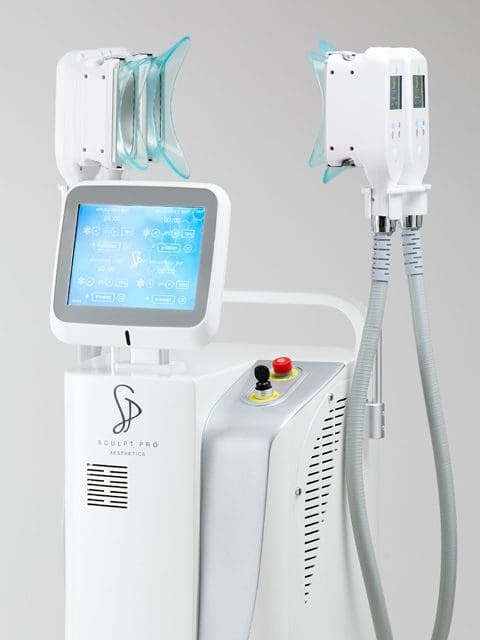
Facial Tightening & Anti-Aging
Cryo Quattro | Sculpt Pro
FDA: unverified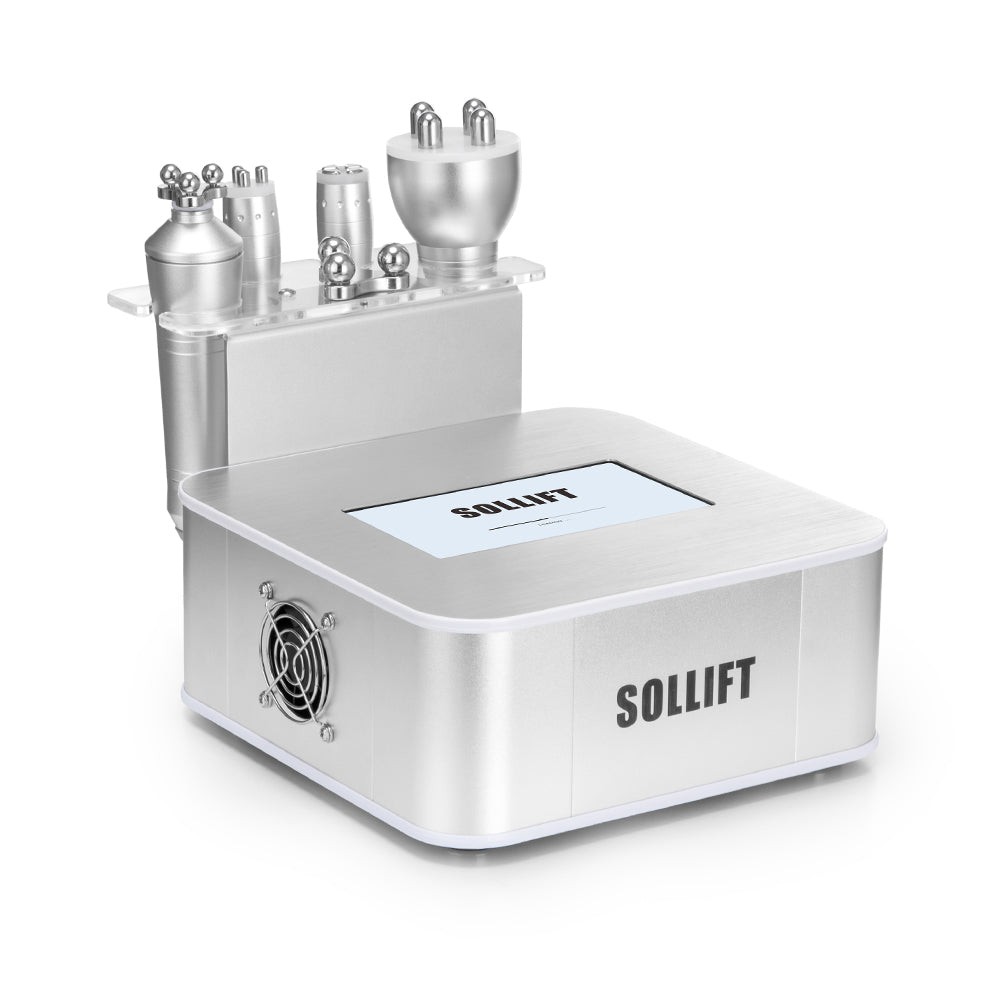
Facial Tightening & Anti-Aging
DuoSphere Pro Face and Body Device
FDA: unverified
Facial Tightening & Anti-Aging